

When Every Breath Is a Struggle: Understanding Respiratory Diseases in Pets
Labored breathing demands attention, but the urgency depends on the cause. Flat-faced dogs often struggle because their anatomy narrows airways. Cats with asthma wheeze and cough when their airways tighten. Heart disease can cause fluid buildup in the lungs, making every breath a fight. Knowing the difference helps you act quickly and appropriately.
Creature Comforts Veterinary Service in Saylorsburg provides routine and emergency respiratory care. Our AAHA-accredited emergency services are available 24/7 for breathing crises, and our diagnostic capabilities help identify issues like brachycephalic airway syndrome, asthma, or heart disease. Contact us right away if your pet is in distress, or request an appointment for ongoing concerns.
Why Understanding Breathing Sounds Matters
Some snorts and sneezes are normal. Others signal infection, inflammation, or fluid in the lungs. Learning what common sounds mean helps you tell the difference between a watch-and-wait situation and an emergency.
Pay attention to when and how often sounds occur. Do coughs happen after drinking? Does wheezing show up at night? These patterns help your vet pinpoint the cause and guide treatment.
What Common Breathing Sounds Mean
Respiratory noises generally reflect where the problem is and how severe it might be. Here’s what pet owners most often notice and what those sounds can indicate.
Coughing: When It’s More Than Throat Tickles
An occasional cough is normal. A persistent, harsh, or nighttime cough needs a checkup.
- A collapsed trachea creates a goose-honk cough, especially in small breeds and when excited or pulling on a collar. A harness, weight control, cough meds, and in some cases surgery can help.
- Kennel cough causes a dry, honking cough and spreads easily in social dog settings. Most recover with rest, but puppies and seniors can develop pneumonia.
- Older dogs who cough at night or after exercise may have heart disease. Fluid in the lungs can cause wet-sounding coughs and difficulty lying down.
If coughing lasts over 48 hours, disrupts sleep, or worsens, request an appointment. Our diagnostics may include X-rays and cardiac testing.
Sneezing and Nasal Discharge
A single sneeze is usually harmless. Repeated sneezing with discharge, squinting, or facial pawing needs attention.
- Violent sneezing or face-pawing can mean a plant seed like a foxtail is stuck and needs removal.
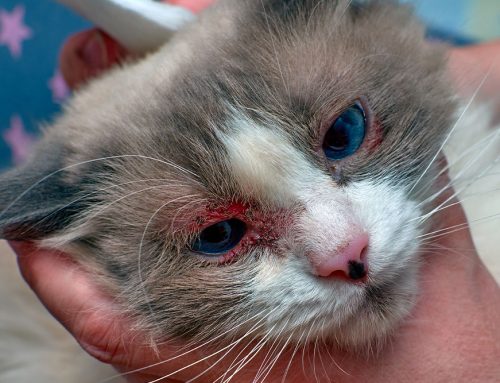
- Cats often get feline upper respiratory infection with sneezing, eye discharge, and congestion. Most recover with supportive care.
- One-sided nasal discharge with bad breath can signal dental disease or a tooth root abscess.
Wheezing: Narrowed Airways
Wheezing is a whistling sound, typically on exhale, and means airways are tight.
- Dogs can wheeze from allergies, infection, or lodged objects. Wheezing that lasts beyond a few minutes should be checked promptly.
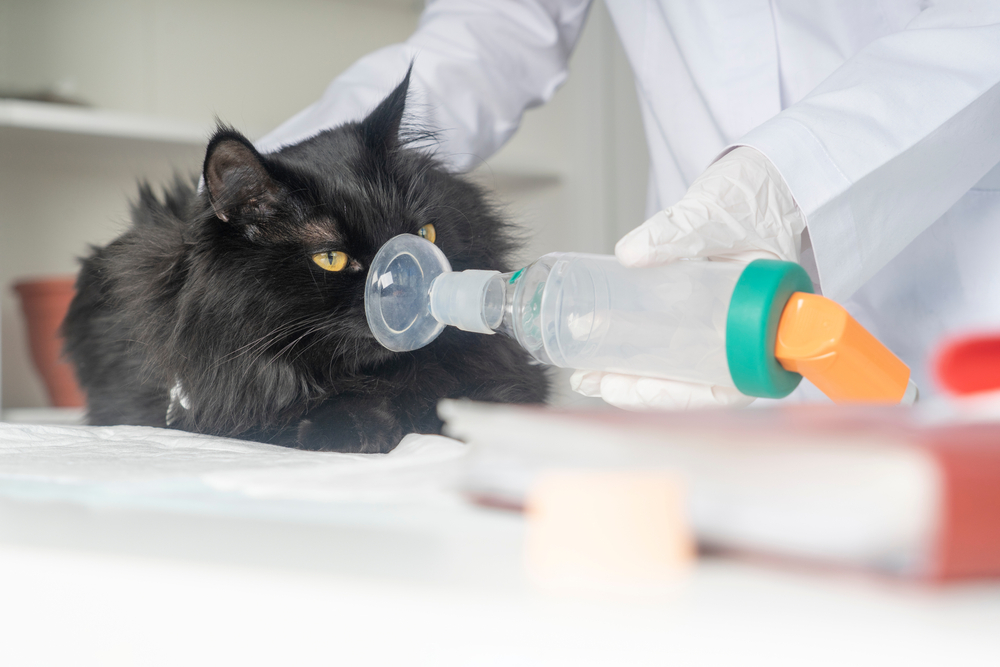
- Cats with feline asthma may cough, wheeze, and breathe with effort. Triggers include dust, smoke, or certain litters. Many cats do well on inhaled medications.
Reverse Sneezing: Scary Sound, Usually Benign
Reverse sneezing is a rapid, snorting inhale that often lasts under a minute. It’s common in small breeds and can be triggered by excitement, eating, or mild irritation. Single episodes aren’t dangerous. Frequent episodes may point to allergies or nasal irritation and merit a vet visit.
Snoring: When It’s Not Just Noisy Sleep
Many dogs snore, especially flat-faced breeds. A sudden change in snoring or new snoring in a previously quiet dog can signal obstruction.
- Brachycephalic obstructive airway syndrome (BOAS) includes narrowed nostrils and long soft palates. Signs include loud snoring, heat intolerance, and fainting. Surgical correction often helps.
- Growths, swelling, or extra weight can also narrow airways. Nasopharyngeal polyps are common in cats, and cause snoring sounds as they breathe due to the airway obstruction.
Our surgery services include airway procedures for brachycephalic breeds and polyp removal.
Gurgling: Fluid in the Lungs
Wet, gurgling breaths suggest fluid in the airways or lungs from pneumonia or heart failure. If you hear gurgling with lethargy, fever, or blue gums, it’s an emergency. Our 24/7 emergency services provide oxygen therapy and hospitalization.
Stridor: Harsh, High-Pitched Inhalation
Stridor means serious upper airway narrowing. Large senior dogs can develop laryngeal paralysis, which worsens with heat or excitement. Sudden stridor from swelling, stings, or trauma is an emergency.
Stertor: Snuffling in Flat-Faced Pets
Stertor is low, snoring-like breathing from soft tissue vibration in the nose/throat. It’s common in flat-faced breeds and suggests ongoing airway narrowing. Monitor for worsening signs like exercise intolerance or fainting.
Brachycephalic Breeds Need Extra Care
Short-nosed dogs and cats, like Bulldogs, Pugs, Boston Terriers, Persians, and Himalayans, have narrowed nostrils, long soft palates, and often small windpipes. These features make breathing harder and cooling less effective, especially in heat or with exertion.
Early surgical correction of narrowed nostrils and long soft palates can improve breathing and reduce crises. Our AAHA accreditation reflects careful anesthetic protocols and monitoring for higher-risk breeds. Ask about timing during puppy or kitten wellness visits.
Red Flags: When to Seek Emergency Care
Some breathing changes can wait for an appointment. Others can’t. Seek urgent care if you notice:
- Blue or pale gums
- Open-mouth breathing in cats
- Labored breathing with visible chest effort
- Continuous cough over 48 hours
- Thick, bloody, or green nasal discharge
- Collapse, extreme weakness, or refusal to eat or drink
- Severe lethargy
Respiratory distress in pets can progress quickly. Call ahead to 570-992-0400 so we can prepare oxygen and emergency support.
How We Diagnose Breathing Problems
We start with a calm, thorough exam and add tests as needed to find the cause and guide treatment.
Physical Exam: First Clues
We watch your pet’s breathing pattern, rate, and effort, and listen for crackles or wheezes. We gently assess the throat and trachea, check the mouth and teeth, and evaluate gum color. Blue or purple gums mean dangerously low oxygen and immediate support.
Lab Work: Narrowing the Cause
Blood tests help separate infection, inflammation, and heart-related issues. We also screen for parasites as needed. The heartworm map shows Pennsylvania has notable heartworm risk, which can cause cough and exercise intolerance. Our in-house lab speeds results for urgent cases.
Imaging: Seeing the Full Picture
Chest X-rays show heart size, lung patterns, airway changes, and foreign objects. Ultrasound can evaluate heart function and detect fluid. Our diagnostic capabilities include digital radiography and ultrasound interpreted in real time.
Advanced Testing for Select Cases
Some pets benefit from airway scoping or fluid sampling to diagnose asthma, pneumonia, or remove foreign objects. We’ll discuss benefits and risks, especially for pets with severe breathing compromise.
Treatment Options for Easier Breathing
Treatment depends on the cause. Our goal is to stabilize your pet, relieve distress, and prevent recurrence.
Medications
- Bronchodilators and inhaled steroids for asthma
- Antibiotics for bacterial infections or pneumonia
- Diuretics for fluid in the lungs from heart failure
- Anti-inflammatories and allergy management
Surgical Care
- Surgical procedures for laryngeal paralysis when appropriate
- Airway surgeries for brachycephalic breeds to widen nostrils and shorten soft palates
- Prompt removal of lodged objects via endoscopy or surgery
Our surgery services focus on improving airflow and safety with modern anesthesia and monitoring.
Oxygen and Hospital Support
Severely affected pets may need oxygen delivered by mask, nasal lines, or an oxygen cage. Nebulization can loosen secretions. Some pets need round-the-clock monitoring in our hospital, provided by our emergency services.
Lifestyle Changes That Help
- Keep pets at a healthy weight to reduce breathing effort
- Use a harness instead of a collar for dogs prone to tracheal issues
- Avoid heat, humidity, and strenuous activity, especially for short-nosed breeds and pets with heart disease
- Environmental control: Use HEPA filters, avoid smoke exposure, and choose dust-free litter for sensitive cats.
- Maintain regular checkups and vaccinations, especially for respiratory issues like kennel cough, parainfluenza, and influenza for dogs, and feline viral rhinotracheitis for cats
Request an appointment to tailor a prevention plan for your pet.

FAQs: Quick Answers for Pet Owners
Can cats get asthma?
Yes. Asthma causes coughing, wheezing, and labored breathing. During attacks, cats may crouch with the neck extended. Many do well with inhaled bronchodilators and steroids, either daily or during flare-ups.
Is reverse sneezing dangerous?
Usually no. Episodes last under a minute and resolve on their own. Frequent episodes can point to irritation or allergies and are worth discussing with your vet.
Does coughing mean heart disease?
Not always. But in older dogs, coughing at night or after exercise can be linked to heart disease or fluid in the lungs. A cardiac workup is recommended.
Breathing Easy Starts With Recognition
Some sounds are harmless. Others require fast action. Persistent coughing, new wheezing, labored breathing, and gum color changes are red flags that need urgent care. Occasional sneezing or reverse sneezing can be monitored but mention them at your next visit.
Creature Comforts provides complete respiratory care, from emergency oxygen to surgical solutions and long-term management. We’re here to help your pet breathe comfortably and to support you every step of the way. Contact us with any concerns, or schedule an appointment to evaluate ongoing breathing symptoms.






Leave A Comment