

Hip Surgeries for Pets: Options and Alternatives
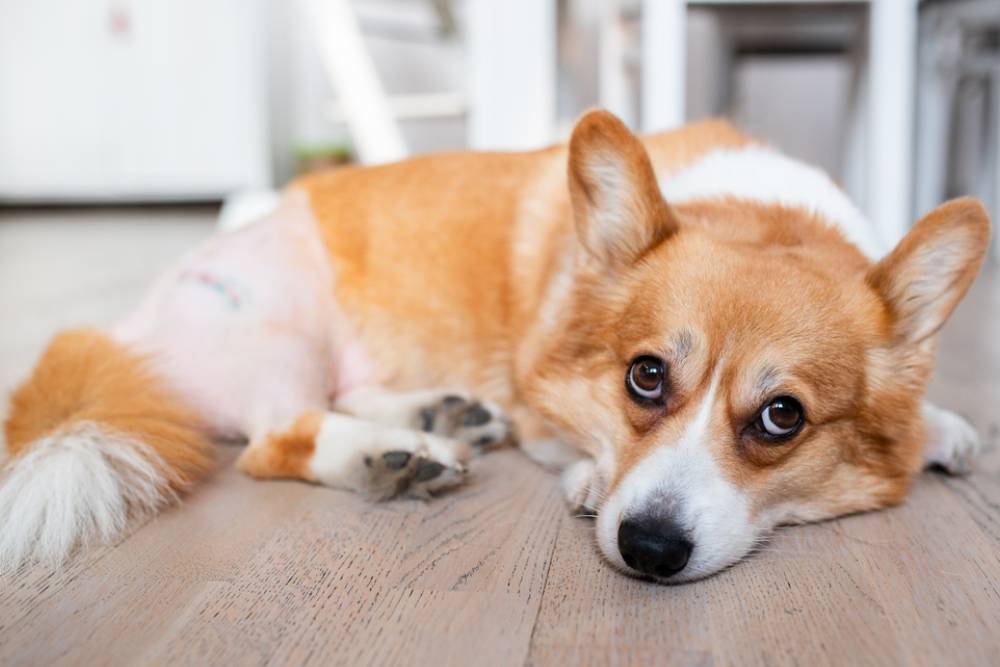
If your dog or cat has been diagnosed with severe hip dysplasia, a hip fracture, or a condition like Legg-Perthes disease, hearing the word “surgery” can be overwhelming. The hips are such a central part of how a pet moves, plays, and lives their daily life that problems there affect just about everything, from stairs to walks to jumping up on the couch. The good news is that when hip disease gets bad enough that medication and rehab are no longer keeping your pet comfortable, there are surgical options that can give them back a great quality of life.
Two of the most common ones are femoral head ostectomy (FHO) and total hip replacement (THR). They work in completely different ways, and each is suited to different kinds of pets. Both can dramatically improve comfort and function when the right procedure is matched to the right patient.
At Creature Comforts Veterinary Service, our team is here to help you understand your pet’s condition, evaluate them thoroughly with diagnostic imaging, and walk through the options so you can make an informed decision. If your dog has been limping or struggling to get up, or your cat has stopped jumping onto their favorite perch, call us to request an appointment so we can take a look.
What Leads to Hip Surgery in the First Place?
Hip surgery is not usually the first option on the table. Most pets start with medical management: pain medications, joint supplements, weight control, rehab, and activity modification. Surgery enters the conversation when joint damage is advanced enough that those measures are no longer enough to keep your pet comfortable.
The most common conditions that get us there:
Hip Dysplasia
Canine hip dysplasia and feline hip dysplasia are developmental conditions where the ball and socket of the hip joint do not fit together properly. Over time, that mismatch causes instability, inflammation, and arthritis. Dysplasia is especially common in larger dog breeds like Labrador Retrievers, German Shepherds, and Golden Retrievers, though plenty of smaller dogs are affected too. In cats, Maine Coons, Persians, and Himalayans are among the breeds most commonly diagnosed, and feline hip dysplasia is underrecognized because cats rarely limp visibly. Early hip dysplasia screening through OFA or PennHIP can identify affected dogs before severe arthritis develops, which opens up more options down the road.
Hip Luxation
Hip luxation is when the ball of the hip pops out of the socket, usually after trauma like a car accident, a bad fall, or a cat dropping from a high perch onto a hard surface. If the joint cannot be put back in place and kept there with conservative care, surgery is the next step.
Legg-Perthes Disease
This one mostly affects small-breed puppies and young adults (think toy and terrier types) and cats. It’s also called aseptic necrosis or avascular necrosis of the femoral head. For reasons we do not fully understand, the blood supply to the top of the thighbone gets disrupted, and the bone begins to break down. It is painful, and once it progresses, surgery is typically needed.
Severe Arthritis
Hip arthritis that has advanced beyond what medications and rehab can control is another common reason for surgery. When a pet is in daily pain, losing muscle from disuse, and no longer enjoying their normal activities, it is worth looking at what surgery could offer. In cats, arthritis often shows up as reluctance to jump, choosing lower resting spots, and changes in grooming rather than obvious limping, which is part of why it goes underdiagnosed.
FHO: Creating a Functional New Joint
What It Actually Does
Femoral head ostectomy sounds more intense than it is to explain. The surgeon removes the ball portion of the hip joint entirely. There is no replacement implanted. Instead, the body forms scar tissue over the following weeks that creates a “false joint” between the thighbone and the pelvis. That scar tissue cushion is what allows your pet to move comfortably again.
The trade-off is that the new joint is not exactly like the original. The leg is a little shorter, the gait has some subtle differences, and the joint does not have the precise geometry of a normal or replaced hip. For the right patient, though, none of that gets in the way of living a full, active life.
Who FHO Works Best For
FHO tends to work especially well for:
- Smaller dogs (usually under 50 to 60 pounds), because the false joint depends on strong muscle support, which smaller dogs develop more reliably
- Cats, who consistently do well with FHO across most sizes and tend to be ideal FHO candidates because their lower body weight and natural agility translate to excellent long-term function
- Puppies and young pets with Legg-Perthes disease, where removing the damaged bone solves the problem directly
- Pets where total hip replacement is not an option due to cost, anatomy, or other health concerns
- Pets in good body condition with solid muscle tone, because that muscle is what makes the outcome successful
What Recovery Looks Like
Most cats and small-to-medium dogs get back to full function in 8 to 12 weeks with consistent rehab. Bigger dogs sometimes take longer, and outcomes can be less predictable in larger breeds. Cats often recover remarkably well, though the rehab piece looks different than with dogs; instead of structured leash walks, feline recovery relies more on encouraging gentle movement, using favorite toys to prompt activity, and keeping the cat in a confined space that prevents jumping from heights during healing. The single biggest factor in a good result, whether canine or feline, is early, committed physical therapy. Building muscle around that new false joint is not optional; it is what makes the surgery work.
Total Hip Replacement: Restoring a Normal Hip
What It Actually Does
Total hip replacement works the same way it does in people. The surgeon replaces the damaged ball with a prosthetic ball on a stem that goes into the thighbone, and replaces the worn-out socket with a prosthetic cup. The new components are designed to recreate the mechanics of a normal, healthy hip joint.
THR success rates are quite high (well above 90 percent with the right patient and skilled surgeon), and dogs and cats who come through the procedure well typically return to full athletic function and stay that way for years. Feline THR is performed at specialty centers with the expertise and micro-sized implants needed for cats, and the outcomes in appropriate candidates are excellent.
Who THR Works Best For
THR is often the preferred option for:
- Larger dogs over about 40 to 50 pounds, where the mechanics of a full replacement outperform a false joint
- Cats with severe hip dysplasia or significant arthritis where restoring normal joint mechanics will meaningfully improve quality of life
- Pets of any size where full, normal function is the goal, including working dogs and athletic pets
- Pets with significant bilateral hip disease, since both sides can eventually be treated if needed
- Younger dogs and cats facing many years of disease progression without surgery
What Recovery Looks Like
Strict activity restriction for the first 8 to 12 weeks is a must for both dogs and cats. No running, no stairs, no jumping, no rough play, and for cats, no access to high perches or multi-level cat trees during recovery. Gradual return to full activity happens over the following weeks, and most pets are back to their usual selves by 12 to 16 weeks. It is a demanding recovery in terms of keeping the pet calm, but the long-term payoff is a joint that works like the original.
Comparing the Two Options
| Factor | FHO | Total Hip Replacement |
| How the joint works after | False joint from scar tissue | Prosthetic that mimics a normal hip |
| Best size range | Under 50 to 60 lbs; all cats | All sizes; often preferred for larger dogs |
| Recovery timeline | 8 to 12 weeks | 12 to 16 weeks |
| Long-term function | Good to excellent in smaller pets and cats | Excellent across appropriate candidates |
| Cost | Lower | Higher |
Research on hip dysplasia treatments has shown that both procedures provide meaningful quality-of-life improvement for the right patient. The choice comes down to your pet’s size, age, activity goals, overall health, and your family’s circumstances.
What About Catching It Early?
For puppies diagnosed with hip laxity before significant arthritis develops, there are less invasive procedures that can actually change how the hip develops and potentially prevent the need for FHO or THR later in life. These are time-sensitive (meaning they need to be done during specific windows of growth), which is why early screening matters so much for at-risk breeds.
Juvenile pubic symphysiodesis (JPS) is a minimally invasive procedure performed at around 16 to 20 weeks of age that helps the hip sockets form with better coverage over the femoral head. It has a low complication rate and excellent outcomes when done within that window.
Pelvic osteotomy (TPO/DPO) is a more involved procedure that repositions the socket itself to improve joint stability. It is typically done in dogs between 10 and 18 months old who have not yet developed significant arthritis.
Diagnostic evaluation at around 16 weeks of age is the tool that identifies which puppies have enough hip laxity to benefit from early intervention. For at-risk breeds like Labradors, Goldens, Rottweilers, and German Shepherds, this is one of the most valuable screening decisions you can make. These early developmental procedures are generally performed in dogs rather than cats, but the principle of early screening applies to at-risk feline breeds too. These are not procedures we perform in-house, but we can arrange screening and coordinate referrals to the specialists who do.
When Non-Surgical Management Is the Right Choice
Not every pet with hip disease needs surgery, and plenty of dogs and cats live happily for years on a solid conservative plan. Medical management often makes the most sense for:
- Pets with mild to moderate hip dysplasia whose symptoms are well controlled
- Older pets with other health conditions that make anesthesia or major surgery less ideal
- Families who prefer to try a thorough medical approach first before considering surgery
A good conservative plan usually combines several things:
- Pain management: NSAIDs, gabapentin, or monthly injectable pain control keep your pet comfortable day to day. Librela is available for dogs and Solensia is the feline equivalent, both targeting the specific pain signaling molecule involved in arthritis pain
- Joint supplements that support cartilage health and reduce inflammation
- Weight management, which is genuinely one of the most powerful things you can do. Pet obesity prevention matters enormously here because every extra pound is extra load on already sore joints, and overweight cats are common
- Veterinary physical rehabilitation to build and maintain the muscle support that keeps the hip stable and comfortable
- Home modifications like ramps to favorite furniture, non-slip rugs on hard floors, low-entry litter boxes for cats, and orthopedic bedding
Monthly Librela injections for dogs and Solensia injections for cats have become game-changers for pets with hip arthritis because they provide steady pain relief for four to eight weeks per dose with minimal systemic effects. For pets who cannot tolerate daily NSAIDs, these alone can make a big difference.
We carry a range of hip and joint supplements through our pharmacy, and our alternative medicine services, including acupuncture and laser therapy, pair beautifully with conservative medical management for both dogs and cats.
Nutrition for Growing Pets at Risk
If you have a puppy or kitten from an at-risk breed, nutrition during that first year matters more than many families realize. Developmental orthopedic conditions like hip dysplasia are influenced by how fast a young pet grows and what they eat while they grow.
A few basics that go a long way:
- Use a large-breed puppy formula if your dog is a large or giant breed. These foods are formulated with controlled calories and minerals to support healthy, steady growth
- Avoid overfeeding puppies and kittens. Chubby young pets are cute, but extra weight during development puts real mechanical stress on forming joints
- Keep your pet at a healthy weight for life. This is the single most important long-term nutritional goal for any pet prone to orthopedic disease, and it applies just as strongly to cats as to dogs
How We Help You Decide
Choosing between FHO, THR, and non-surgical management is not a decision to rush. The right answer depends on your pet’s size, species, and age, how advanced the disease is, what activities matter most to your family, your pet’s overall health, and what your household can realistically commit to during recovery.
What we do at Creature Comforts is help you get clarity. That means:
- A thorough orthopedic exam
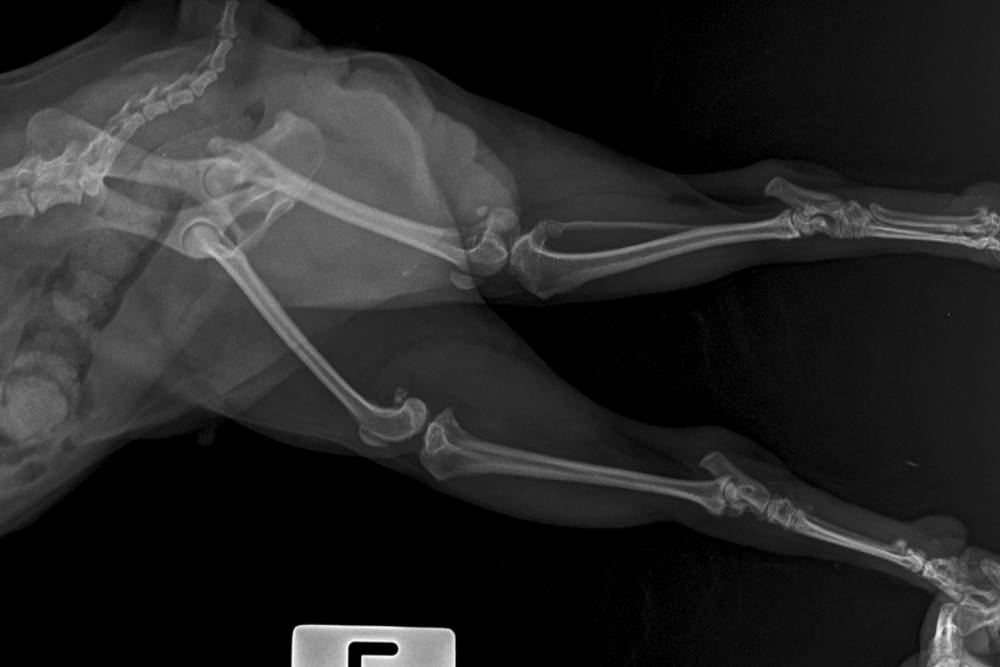
- Good-quality radiographs to see exactly what is going on
- An honest conversation about what each option would mean for your specific pet
- Referral to an experienced orthopedic surgeon when advanced surgery like hip replacement is the right direction
- Ongoing support before and after surgery, including rehab coordination, pain management, and long-term monitoring
You do not need to have the answer when you walk into our exam room. You just need to start the conversation.
Frequently Asked Questions
How long until my pet is back to normal after FHO?
Most cats and small-to-medium dogs with good muscle mass get back to full function within 8 to 12 weeks, provided they get consistent physical therapy. Larger dogs can take longer, and outcomes are less predictable in big breeds.
Can FHO be performed on a large breed dog?
It can, but outcomes are less reliable than in smaller dogs and cats. For large dogs with good overall health, total hip replacement generally provides better long-term function. That said, cost, anatomy, and individual circumstances sometimes make FHO the right choice even for larger dogs.
Is hip surgery painful?
Modern pain management starts before surgery even begins and continues well into recovery, so pets are typically much more comfortable after surgery than they were living with an untreated painful hip. We work with the referral surgeon to make sure your pet has what they need to recover comfortably.
Do cats really need hip surgery? They don’t seem to limp.
Cats are experts at hiding pain, so when they do show changes (reluctance to jump, hiding more, choosing lower resting spots, changes in grooming), it is often because the hip problem is significant. If medical management is not keeping a cat comfortable, surgery can dramatically improve their quality of life. The outcomes in cats are actually quite good because their smaller body size and natural agility work in their favor.
What if we just leave the hip disease alone?
Untreated hip disease does not stay still. Arthritis continues to build, pain becomes harder to control with medications alone, and muscle atrophies from reduced use. Pets who are treated earlier consistently do better than pets treated once the disease has become severe, which is why we like to start the conversation sooner rather than later.
How do I know if my dog is a candidate for early intervention like JPS or TPO?
Early screening is the key. If you have an at-risk breed puppy, talk to us about PennHIP evaluation at around 16 weeks of age. That screening tells us whether there is enough hip laxity to make early procedures worth considering, and we can coordinate the referral from there.
For the Love of Your Pet’s Mobility
Creature Comforts Veterinary Service has built its reputation in the Pocono Mountains on individualized medicine and genuine care for the families we work with. Hip surgery decisions are big ones, and we take our role seriously, whether that means walking you through the options, coordinating the right surgery, or building a non-surgical plan that keeps your pet comfortable for years to come.
Request an appointment to evaluate your pet’s hip health and talk through what makes the most sense for your family. Contact us at 570-992-0400 any time with questions.




Leave A Comment