

When Your Exotic Pet Needs Urgent Care: Key Red Flags to Watch For
Exotic pets are masters at hiding illness. Whether you have a rabbit, a guinea pig, a bearded dragon, a parrot, a ferret, or a snake, the instinct to mask weakness is deeply wired into their biology. In the wild, showing signs of vulnerability makes an animal a target, so prey species especially have evolved to appear normal even when they are seriously unwell. This means that by the time you notice something is clearly wrong, the problem may already be advanced, and waiting another day or two to see if things improve can make the difference between a treatable condition and a crisis.
Knowing which signs are red flags, and acting on them quickly, gives your exotic pet the best chance at a good outcome. At Creature Comforts Veterinary Service, our team is experienced in the unique medical needs of exotic species like small mammals, reptiles, and birds. Because we are open 24/7 for emergencies, you do not have to wait until morning if something seems seriously wrong. Call us at 570-992-0400 so we can assess your pet and determine what is needed.
Why Exotic Pets Hide Illness So Well
The survival instinct to appear healthy extends to species kept as pets for thousands of years. Rabbits, guinea pigs, chinchillas, birds, and reptiles all come from environments where appearing weak invites predation. This instinct is so ingrained that these animals will continue eating, moving, and behaving somewhat normally until a condition is quite advanced. By the time a rabbit stops eating or a bearded dragon stops moving, the underlying problem has often been present for longer than you realize.
This biology has a practical implication: any significant change in behavior, appearance, or activity level in an exotic pet deserves attention on the same day, not in a few days.
Universal Red Flags Across All Exotic Species
Caring for exotic species can be tricky. While species-specific signs vary considerably, some warning signs translate across most exotic pets. Careful observation is the best tool available to families between veterinary visits.
Seek same-day or emergency evaluation for any of the following:
- Refusal to eat for more than 24 to 48 hours (less for small species like hamsters)
- Noticeable weight loss over days to weeks
- Lethargy, decreased activity, or unresponsiveness
- Open-mouth breathing, labored breathing, or wheezing (always an emergency)
- Change in stool production: absence of droppings, diarrhea, or significant change in consistency
- Discharge from eyes or nostrils
- Swelling or lumps anywhere on the body
- Obvious wounds, bleeding, or signs of trauma
- Seizures or uncontrolled movement
- Significant posture changes: hunching, inability to rise, abnormal positioning
If you see multiple signs together, or a single severe sign, do not wait. Call 570-992-0400.
Emergencies in Small Mammals
Rabbits
Rabbits are particularly vulnerable to GI stasis, a condition where gut motility slows or stops, producing gas accumulation that becomes rapidly life-threatening. A rabbit who stops eating and stops producing droppings is an emergency within hours. Beyond GI stasis, the broader range of diseases of rabbits includes dental malocclusion, head tilt syndromes (often from inner ear infections or E. cuniculi), uterine cancer in unspayed females, and respiratory infections. Other urgent signs in rabbits: tooth grinding (a pain sign, not normal), wet dewlap or drooling, abdominal distension, and collapse.
Rabbits have lightweight, fragile skeletons. Mishandling, rapid twisting movements, or falling from height can result in fractured or dislocated vertebrae in the spine, or broken legs. Limping or paralysis should trigger an emergency call right away.
Guinea Pigs
Guinea pig care guides emphasize that guinea pigs can deteriorate very quickly. Signs requiring urgent care include refusal to eat (especially alarming as guinea pigs must eat continuously), hunched posture, difficulty breathing, blood in urine, seizures, head tilt, and sudden hind limb weakness or paralysis. Scurvy from inadequate vitamin C is a preventable but serious condition in guinea pigs that produces lethargy, painful joints, and abnormal gait.
Chinchillas
Routine health care for chinchillas includes monitoring for dental disease, which is extremely common in this species. A chinchilla who is losing weight, drooling, dropping food, or pawing at the mouth likely has dental pathology that requires prompt evaluation. GI stasis in chinchillas, bloat, and respiratory infections also require same-day care.
Ferrets
Ferrets have their own distinct catalog of urgent conditions. Ferret emergencies include adrenal disease, insulinoma (low blood sugar episodes that can produce weakness, drooling, and seizure-like activity), and gastrointestinal foreign bodies (ferrets are notorious chewers and swallowers of small objects, and partial obstruction can present as intermittent vomiting and reduced appetite over days). A ferret who collapses, drools excessively, becomes unresponsive, or has not produced stool in 24 hours needs emergency evaluation without delay.
Other Rodents
Hamsters, gerbils, and rats have very short lifespans relative to signs of illness. A hamster who is lethargic, not eating, or sitting hunched in a corner may have a condition that has already been developing for days relative to their accelerated metabolism. Any significant behavioral change warrants evaluation without delay.
Emergencies in Reptiles
Emergencies of reptiles encompass a wide range of presentations that non-exotic veterinarians may not be equipped to manage. Our team’s experience with reptile medicine means we can assess and stabilize these patients appropriately.
Emergency signs in reptiles:
- Open-mouth breathing or gasping (respiratory infection, foreign body, or metabolic crisis)
- Complete refusal to eat for species-appropriate lengths of time (context-dependent: a ball python refusing for two weeks differs from a bearded dragon refusing for three days)
- Lethargy or unresponsiveness, particularly combined with temperature changes
- Retained shed (dysecdysis): shed that will not come off, especially around the eyes and toes, can cause constriction and tissue death
- Thermal burns from contact with heat sources
- Prolapse: tissue protruding from the cloaca is always an emergency
- Swollen limbs, jaw, or abdomen
- Fractures, crush injuries (shell damage in tortoises), or bite wounds from prey
- Seizures
For snake families specifically, snake health red flags include retained eye caps that have not shed with the rest of the skin, scale rot from excessive enclosure humidity, mites, regurgitation of food (distinct from normal post-feeding behavior), open-mouth breathing or audible wheezing, and refusal to eat outside the species’ normal seasonal pattern.
Most reptile emergencies have a husbandry component. Inadequate temperatures, humidity outside appropriate range, improper lighting, or incorrect diet contributes to metabolic bone disease, infections, and organ dysfunction. Our wellness and preventive care includes husbandry review to catch problems before they become emergencies.
Emergencies in Birds
Birds are uniquely vulnerable to environmental hazards in the home, and their respiratory systems make them especially fragile. Common avian emergencies include respiratory distress (open-mouth breathing, tail bobbing with each breath), egg binding in females, fractures, lead or zinc toxicity from chewing on metal objects, and inhalant toxicity from non-stick cookware fumes, scented candles, and aerosols. The respiratory system of birds is so sensitive that a single overheated non-stick pan can kill a bird in the same room.
Injuries and accidents in pet birds commonly involve impact trauma (window strikes, ceiling fan injuries), bite wounds from other household pets, leg-band injuries, and feather plucking that has progressed to skin damage. A bird who is sitting fluffed at the bottom of the cage, has discharge from the nostrils, has stopped vocalizing, or shows changes in droppings has likely been ill for some time before those signs appeared. Birds in active respiratory distress need to be transported in a calm, dimly lit carrier without unnecessary handling.
Common Exotic Pet Emergencies
Gastrointestinal Crises
GI stasis and bloat in rabbits and guinea pigs represent the most urgent category of exotic emergencies. Gut motility in these species must be continuous; even a brief interruption begins a cascade of gas accumulation and toxin absorption that can be fatal within 24 to 48 hours. Impaction in tortoises and reptiles from inappropriate substrate ingestion, constipation, or dehydration requires prompt imaging and intervention.
Treatment typically involves fluids, motility drugs, pain management, assisted feeding, and close monitoring until normal gut sounds return.
Respiratory Distress
Open-mouth breathing in any exotic pet is always an emergency. Healthy reptiles, birds, small mammals, and rabbits do not breathe through their mouths. When they do, it signals a compromised airway, severe infection, or metabolic decompensation. Respiratory infections spread quickly in small bodies. Our diagnostics allow us to assess respiratory status rapidly.
Dental Emergencies
Rabbits, guinea pigs, chinchillas, and many rodents have continuously growing teeth that require wear to stay aligned. Malaligned teeth (malocclusion) cannot be properly worn down, producing overgrowth that eventually prevents eating. Abscesses from dental disease are common and serious. Signs: drooling, dropping food, weight loss, and facial swelling.
Eye Problems
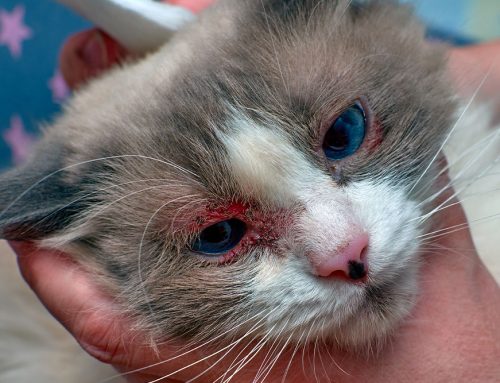
Ocular diseases in exotic pets progress quickly because of the small size of the eye and the speed at which infection or trauma compromises the structure. Squinting, cloudiness, swelling around the eye, discharge, or visible foreign material warrants same-day evaluation. Conjunctivitis in birds (sometimes the first visible sign of upper respiratory infection), corneal ulcers from cage trauma, and abscesses behind the eye in rabbits and guinea pigs all need prompt assessment before tissue damage progresses.
Trauma
Falls, bite wounds from cage-mates or from prey animals fed live, burns from heat lamps, and injuries from escaping confinement are common exotic pet traumas. Even wounds that look minor on the surface can involve deeper tissue damage. Birds who impact windows, rabbits who fall from heights, and reptiles who have been bitten by prey animals all warrant evaluation even when they appear to be coping.
Environmental Emergencies
Many exotic pet crises are rooted in husbandry failure:
- Thermal extremes:heatstroke in reptiles without shade, or hypothermia from a failed heat source, can occur within hours
- Dehydration:many reptiles and birds become dangerously dehydrated before families notice
- Metabolic bone disease:inadequate UVB and calcium in reptiles produces progressive skeletal disease; fractures occur with minimal trauma
- Dietary deficiencies:vitamin C deficiency in guinea pigs, iodine deficiency in birds, and protein deficiency across species produce serious illness
If your pet’s condition changed following a husbandry disruption, that context is valuable to share when you call.
When to Call vs. When to Come In Immediately
Call us for guidance when:
- Your pet has refused one meal and seems otherwise normal
- Droppings have decreased but not stopped
- You notice a mild change in activity level
Come in immediately or call for emergency triage when:
- Any breathing difficulty
- Seizures or uncontrolled movement
- Prolapse or visible internal tissue
- Complete absence of droppings for more than 12 to 24 hours
- Collapse or inability to move
- Significant bleeding or visible trauma
- Complete refusal to eat plus any other sign
Preparing Before an Emergency Happens
- Save 570-992-0400 in your phone before you need it
- Know where your pet’s carrier isand that it is accessible quickly
- Weigh your pet monthly;small changes in weight are often the earliest sign of illness
- Keep a small logof normal behavior and food intake that you can reference for changes
- Establish care with our teamduring wellness visits so we have a baseline for your pet before emergencies arise
Our AAHA-accredited wellness and preventive care for exotic patients includes baseline examination, weight documentation, and husbandry review that provides the foundation for recognizing when something has changed.
Frequently Asked Questions
My reptile has not eaten in two weeks. Is that normal?
It depends on the species and context. Ball pythons may go off food seasonally; a bearded dragon refusing food for two weeks is concerning. Contact us to discuss the specifics for your individual species and situation.
Can I give my exotic pet any over-the-counter medications?
No. Human medications including aspirin, ibuprofen, and antifungals are frequently toxic to exotic species at doses safe for humans. Call us before giving anything.
My rabbit seems fine but has stopped defecating. How long can I wait?
Not long. GI stasis in rabbits can become fatal within 24 hours of gut motility stopping. If no droppings have been produced for four to six hours and your rabbit is not eating, call us immediately.
My bird seems quiet today but is otherwise eating. Is that worth a call?
Yes. Quiet behavior in a normally vocal bird is one of the earliest signs that something is off, even when appetite still looks normal. By the time a bird shows other obvious symptoms, illness has usually been progressing for days.
For the Love of Every Species
Creature Comforts Veterinary Service treats every pet with the same standard of care, from dogs and cats to rabbits, ferrets, reptiles, and birds. Call 570-992-0400 or request an appointment for exotic wellness care. Contact us any time with questions about your exotic pet’s health.






Leave A Comment