

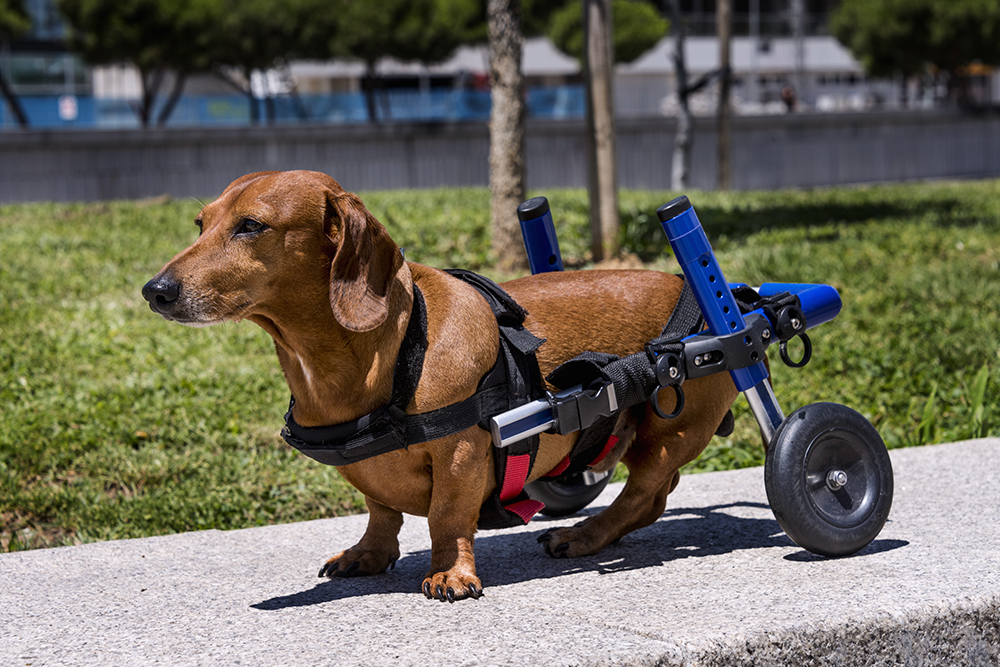
Harnesses, Carts, and Traction Aids: Helping Pets Stay Mobile
Watching your pet struggle to stand up, slip on hardwood floors, or look at the stairs with something close to resignation is one of the harder parts of caring for an aging or injured animal. Mobility challenges are common in dogs recovering from surgery, managing neurological conditions, or living with arthritis, and the instinct to help is strong. The good news is that the range of assistive devices available today is genuinely impressive: from supportive harnesses that take weight off a weak rear end, to wheeled carts that give paralyzed dogs their independence back, to affordable traction solutions that make the kitchen floor a lot less treacherous.
At Creature Comforts Veterinary Service in Saylorsburg, we’ve been caring for pets and the people who love them for a long time, and our AAHA-accredited practice is here 24/7 for those moments when mobility becomes a crisis as well as for the longer-term planning that helps pets stay comfortable and active. Our team can help you select and fit the right assistive equipment as part of a broader care plan that includes diagnostics to identify the underlying cause and alternative medicine treatment options like laser therapy, chiropractic care, and acupuncture. Reach out to our team to talk through what your pet needs.
How Do You Know When Your Pet Needs Mobility Assistance?
Mobility assistance isn’t a sign of giving up. It’s a tool that keeps pets moving, engaged, and confident while their underlying conditions are managed. The earlier you intervene, the better most pets respond, and the more strength they retain.
Common underlying causes of mobility changes include joint disease (especially osteoarthritis), post-surgical recovery, neurological conditions affecting the spinal cord or peripheral nerves, congenital issues like hip dysplasia or luxating patella, acute injury from trauma or sudden disc disease, and cancer-related limb loss following amputation.
Early warning signs worth catching:
- Slowing down on walks or difficulty rising from a lying position, especially in the morning
- Reluctance to use stairs or jump up onto furniture
- Slipping on smooth floors repeatedly when they used to manage fine
- Changes in gait: bunny-hopping, dragging a paw, swaying in the rear, or shifting weight off a particular limb
- Scuffed nails on one or two paws from dragging
- Reduced play or behavioral changes like irritability, hiding, or reluctance to be touched on the back end
Some changes happen gradually over months. Others appear overnight, particularly with disc disease or acute neurological events. A sudden change usually warrants same-day evaluation, while a gradual decline can typically be addressed at a scheduled visit. For sudden severe weakness, paralysis, or inability to stand, our emergency service is here around the clock.
Spinal Cord and Disc Conditions Requiring Support
Conditions affecting the spinal cord and intervertebral discs are among the most common reasons pets need mobility aids, both temporarily and long-term.
Intervertebral Disc Disease and FCE
Intervertebral disc disease (IVDD) happens when the cushioning discs between spinal vertebrae rupture or bulge, putting pressure on the spinal cord. The result can range from mild back pain to complete paralysis depending on severity and location.
Breeds with elongated bodies and shorter legs (Dachshunds, French Bulldogs, Corgis, Beagles, Basset Hounds) are particularly predisposed, but any dog can be affected. Symptoms include sudden back or neck pain, reluctance to jump or climb stairs, wobbly walking, knuckling of the paws, weakness or paralysis of the hind legs, and in severe cases, loss of bladder and bowel control.
Fibrocartilaginous embolism (FCE) is another spinal cord event that can cause sudden mobility loss, typically without pain. A small piece of disc material breaks off and blocks blood flow to part of the spinal cord, often during exercise or play. Signs come on suddenly and usually affect one side of the body more than the other. The encouraging part is that FCE is not progressive once the initial event has passed, and many dogs recover meaningful function with rehabilitation and supportive care over weeks to months.
Support harnesses become essential during recovery from either condition. A rear-support harness lets you take weight off the back end while the dog uses their front legs and any returning rear function. For dogs with permanent paralysis from severe IVDD, mobility carts allow them to live full, active lives.
Degenerative Myelopathy
Degenerative myelopathy is a progressive spinal cord disease that affects certain breeds (German Shepherds, Boxers, Corgis, Chesapeake Bay Retrievers among them). It typically starts after age 8 with subtle weakness in the hind legs and progresses gradually over months to years.
There’s no cure, but supportive care meaningfully extends comfortable, active life. Mobility support typically progresses with the disease: traction aids and toe grips early, a rear support harness in middle stages, full-body harnesses or transition to a mobility cart for later stages, with cart use becoming primary as the condition advances.
Structural Joint Conditions
Hip dysplasia develops when the hip joints don’t form normally, leading to looseness, pain, and progressive arthritis. Large and giant breeds (Labs, Goldens, German Shepherds, Saint Bernards, Great Danes) have higher rates, but the condition shows up across breeds and sizes.
Characteristic signs include a bunny-hopping gait especially when running, difficulty rising from rest, reluctance to climb stairs or jump, decreased range of motion in the hips, muscle loss in the rear legs as the condition progresses, and audible clicks or pops from the hip joints.
Treatment combines several approaches based on severity: weight management (the single most impactful intervention), pain medications, joint supplements, physical therapy, and surgery in advanced cases. Support harnesses reduce the strain on painful hips during transitions, helping dogs rise more easily and walk with less discomfort. The combination of medical management and assistive equipment often makes a remarkable difference in daily comfort.
Cancer and Limb Amputation
Bone Cancer, Amputation, and Life on Three Legs
Osteosarcoma is an aggressive bone cancer most common in large and giant breed dogs. Treatment often involves amputation surgery combined with chemotherapy, which removes the source of pain and significantly extends survival and quality of life. Amputation may also be recommended for severe fractures, congenital limb defects, infections, or major trauma. Our surgery services handle these procedures when necessary.
The decision feels devastating to most families, but the reality of life on three legs is much better than expected. Most dogs adapt within a few weeks, often regaining a quality of life they hadn’t had for months due to the pre-amputation pain. Front-leg amputees typically benefit from more harness support than rear-leg amputees, since the front legs carry roughly 60 percent of body weight in dogs. Senior amputees or those with concurrent arthritis often benefit from long-term harness use.
Tripawds is a fantastic community resource for families navigating life with a three-legged pet, with practical guidance on adaptive gear, exercise modifications, and a supportive network of other tripawd families to learn from.
Types of Mobility Devices Available
Support Harnesses for Lifting and Stabilizing
Support harnesses come in several configurations matched to where your pet needs help. Rear-end harnesses support hip and rear-leg weakness, useful for dogs with arthritis, IVDD recovery, hip dysplasia, or rear-leg amputation. Front-end harnesses support shoulder, elbow, or front-leg amputations. Full-body harnesses like those from Furtent combine front and rear support, often with a handle along the back or a strap you can throw over your shoulder, and work best for severe weakness and neurological cases.
Proper fit matters enormously. Our team can help you size and adjust the harness during a visit. Most pets adapt within a few short, positive sessions: putting it on, treats, brief walks, more treats. Within a week, most dogs accept harness use as routine. Low-tech or short-term options for mild cases include slinging bath towels under the belly for assisted standing.
Mobility Carts Restoring Independence
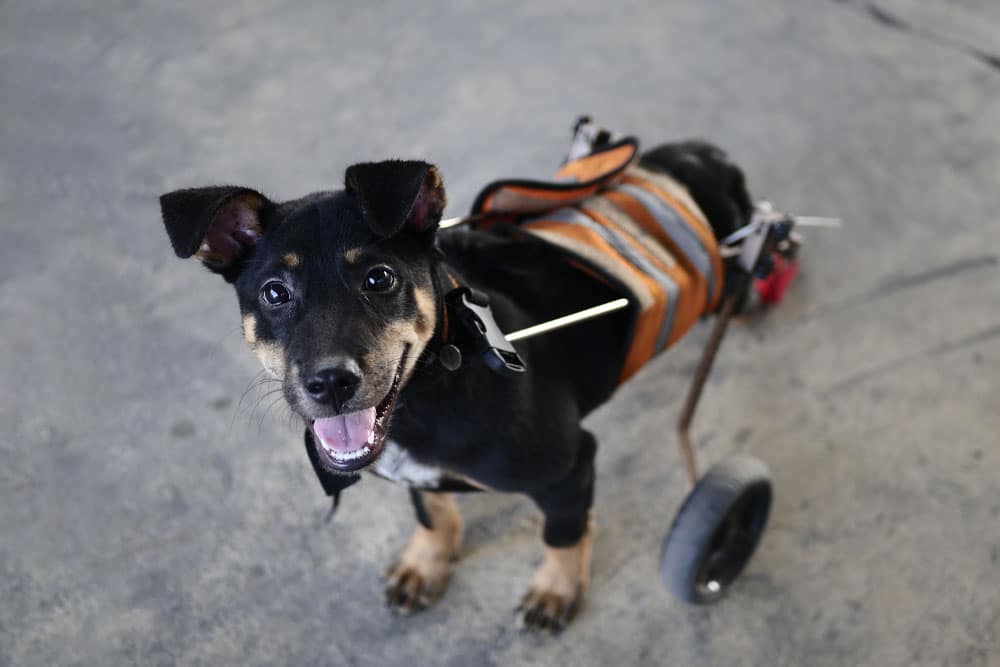
Mobility carts (sometimes called wheelchairs or wheeled carts) support weak or paralyzed limbs so pets can move using their stronger legs. The transformation in quality of life for paralyzed dogs is often striking: the ability to explore, play, urinate and defecate normally, and engage with the household is restored.
Most pets adapt within days to weeks with proper introduction. Cart fitting is critical and should be done with measurements and ideally professional guidance. Start in familiar, open, indoor spaces before progressing to outdoor terrain. Pair cart time with gentle strength-building exercises to maintain remaining muscle, and don’t leave your pet harnessed in a cart all day.
For dogs with degenerative myelopathy, IVDD with permanent paralysis, or rear-leg amputation, carts often allow many additional months or years of active life.
Knuckling, Paw Scuffing, and Traction Solutions for Slippery Floors
Slippery floors are a major contributor to falls and lost confidence in mobility-impaired pets. Several traction aids address this affordably: rubber toe grips that fit on individual nails, paw wax for temporary traction, non-slip socks, and area rugs and runners (often the simplest solution). Strategic placement of non-slip rugs creates “highways” through the home. For outdoor terrain or extra grip on slick surfaces, lightweight booties with rubber traction soles like Ruffwear’s Hi-Light Shoes protect paws while improving stability.
Pets who knuckle (dragging the top of the paw rather than placing it correctly) need a different kind of help. The No-Knuckling Training Sock uses gentle elastic resistance to lift the paw with each step, helping retrain proper foot placement during recovery from neurological injury or for ongoing management of conditions like degenerative myelopathy.
Different pets tolerate different solutions. Some refuse anything on their paws. Others walk fine in booties from day one. The right answer is whatever your pet will actually use consistently.
What Home Modifications Best Support Pet Mobility?
Small environmental changes often produce big mobility improvements. Both arthritis-friendly homes for dogs and home modifications for cats follow similar principles, with species-specific considerations.
Practical changes worth prioritizing:
- Add traction throughout the main travel paths. Yoga mats, rubber-backed runners, and area rugs in hallways, kitchens, and around food and water bowls.
- Provide ramps for stairs and furniture. Even a few stairs into the yard or onto a couch can be impossible for a struggling pet.
- Raise food and water bowls. Elevated stands reduce neck strain and make eating more comfortable for pets with cervical or shoulder pain.
- Improve resting areas. Orthopedic, memory-foam beds with low entry. For cats, consider beds at floor level rather than only elevated spots.
- Block dangerous areas. Stairs, pools, and decks may need gates or barriers if your pet is unsteady.
- Move litter boxes for cats. Lower entry, more locations on each level of the home, and away from places that require jumping.
Make changes gradually rather than overhauling everything at once. Pets do better adjusting to a few new things at a time.
How Do Mobility Devices Fit Into a Complete Medical Care Plan?
Mobility devices work best as part of a comprehensive mobility management plan, not as standalone solutions.
Pain control is foundational. Your pet won’t move comfortably when in significant pain, regardless of devices. Modern pain management includes NSAIDs, monoclonal antibody therapies (Solensia for cats, Librela for dogs), gabapentin, and other adjunct medications matched to the situation. Our wellness and preventative care includes pain assessment as a routine part of senior visits.
Veterinary physical rehabilitation complements device use through targeted exercises and supervised conditioning. Tools like progressive resistance bands add controlled resistance to rehab routines, helping rebuild strength and improve stability and control without high-impact stress on healing joints. Acupuncture can help with pain, neuromuscular function, and overall comfort. Laser therapy reduces inflammation and supports tissue healing, with cold laser sessions producing noticeable improvement in mobility and pain for many pets. Chiropractic care supports spinal alignment, joint mobility, and overall comfort, and we offer chiropractic alongside our other supportive therapies at Creature Comforts Veterinary Service.
Weight management is often the single most impactful intervention. Even a small reduction in body weight dramatically reduces strain on painful joints.
What Improvements Can You Expect From a Mobility Device?
When mobility support is well-matched, you often see improved confidence, more willingness to engage in routines, reduced anxiety about transitions, better sleep, and fewer accidents. Celebrate the incremental wins. Your dog being able to walk to the food bowl without help, or your cat using the litter box reliably again, is living a better life. Needs shift over time. Some pets gain strength back as pain is controlled and use less support; others progress and need more help. Regular check-ins let us adjust the plan as conditions evolve.
Frequently Asked Questions About Pet Mobility Aids
How do I know if my pet is in pain?
Pets often hide pain well. Subtle signs include reduced activity, hesitation with movements that used to be easy, changes in posture, irritability, reluctance to be touched in specific areas, and changes in eating or sleeping. If you suspect pain, an evaluation is the right next step.
How long does it take for pets to adjust to a harness or cart?
Most adapt within days to weeks with positive introduction. Short, rewarded sessions in familiar settings work best.
Are these devices expensive?
Costs vary widely. Toe grips and basic booties are inexpensive. Quality harnesses run $50 to $150. Custom carts can range from a few hundred dollars to over a thousand. We can guide you toward options that match your budget while genuinely helping your pet.
Can my cat benefit from mobility aids?
Yes, though feline-specific options are more limited. Traction surfaces, accessible litter boxes, ramps, and weight management all help. Some cats also benefit from harness support during recovery, though most prefer environmental modifications over wearable devices.
What if my pet’s condition keeps progressing?
Mobility plans aren’t static. We adjust as conditions change, often moving from minor support to more significant assistance over time. Regular check-ins help us anticipate needs rather than always responding to crises.
Partnership in Mobility Support
Mobility challenges don’t have to limit your pet’s joy. With the right combination of devices, simple home updates, and supportive medical care, the vast majority of pets stay comfortable, active, and engaged through conditions that once would have meant decline. Assistive tools protect the independence pets value, while providing the gentle help they need to keep being themselves.
If your pet is struggling with mobility, or if you’re trying to plan ahead for a progressive condition, our team is here to help. Contact us any time. We’re available 24/7, and we’d love to help you give your pet the support they deserve.





Leave A Comment