

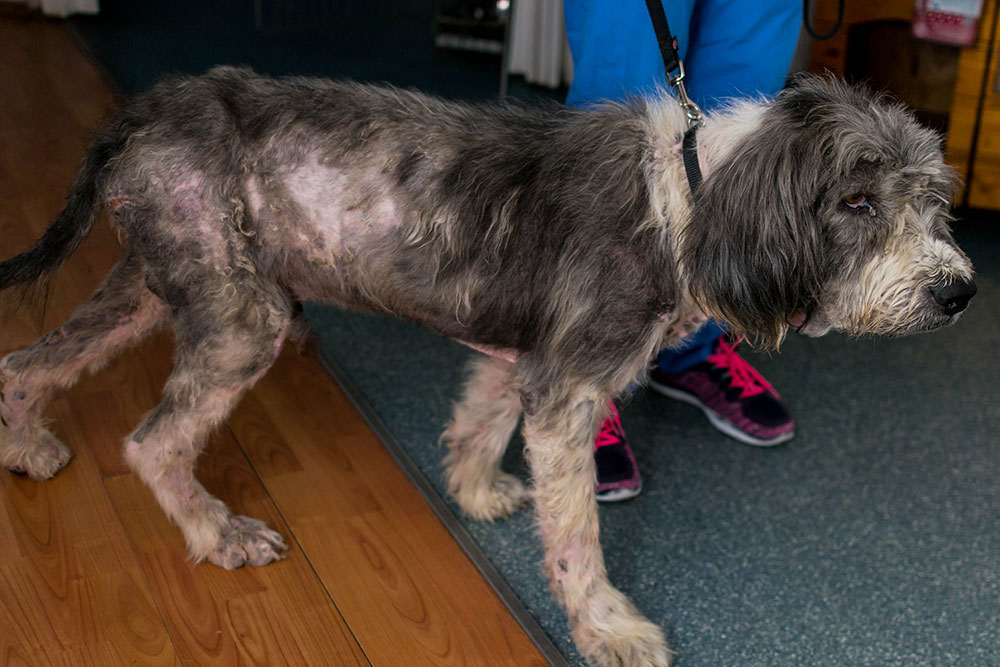
The Root of Hair Loss: Hormonal vs. Skin-Related Alopecia in Pets
Noticing bald patches, thinning fur, or changes in coat texture can raise a lot of questions, especially when they seem to appear without a clear reason. Hair loss in dogs and cats often signals something more than routine shedding, and the pattern matters. Some cases are tied to skin-related problems like allergies or infections, while others point to internal changes that affect hormones and overall health. Understanding whether alopecia is dermatologic or endocrine in origin is the first step toward getting meaningful answers.
At Creature Comforts Veterinary Service in Saylorsburg, our AAHA-accredited team combines advanced diagnostics with decades of community experience to identify the root cause of hair loss across species, from dogs and cats to large animals and exotics. With comprehensive in-house testing and around-the-clock emergency availability, we are equipped to evaluate complex cases promptly and thoroughly. Pet owners can request an appointment or contact our hospital to start a thoughtful, individualized plan grounded in answers and support.
Why Hair Loss Deserves Attention
Finding clumps of fur on the couch or seeing your cat’s belly suddenly bare can feel alarming. While some shedding is normal, alopecia refers to partial or complete hair loss that often stems from deeper issues.
Possible triggers include:
- Skin irritation from allergies or parasites
- Hormonal imbalances affecting metabolism
- Nutritional gaps or poor coat quality
- Stress-driven overgrooming behaviors
- Infectious agents like ringworm or bacteria
Seasonal coat changes are expected, but patterned baldness, persistent scratching, flaking skin, or compulsive licking warrants a closer look. Our wellness and preventative care team evaluates coat health during routine exams, catching subtle shifts before they escalate. Early detection makes treatment simpler and more effective.
What Causes Hair Loss in Pets?
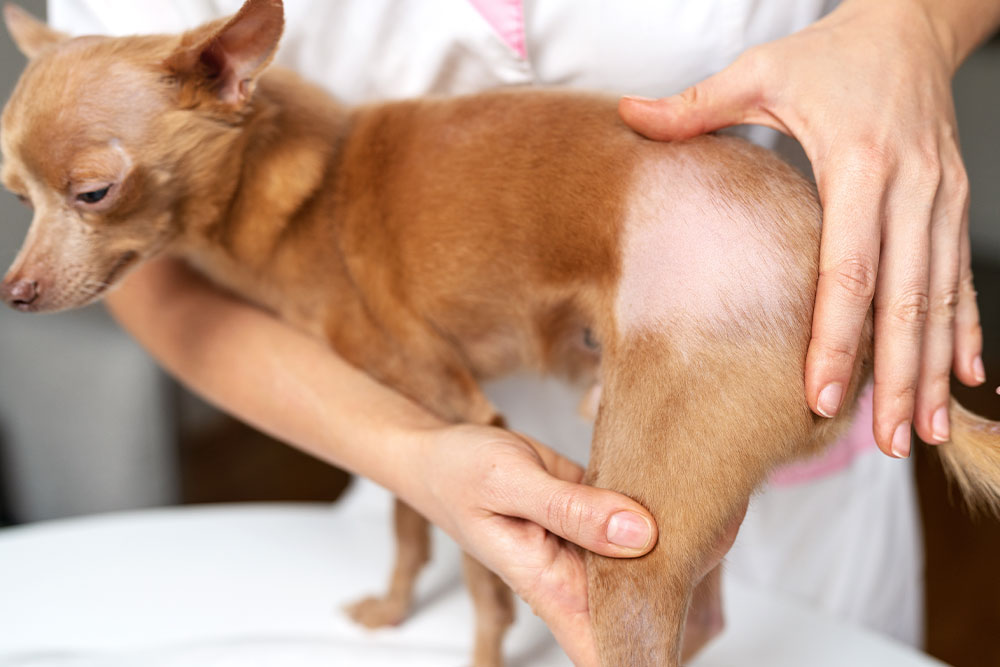
Hair loss is a symptom, not a standalone diagnosis. The pattern, location, and accompanying signs guide our veterinarians toward the underlying cause. Some pets lose hair symmetrically across both sides of the body with minimal itching, suggesting internal hormonal shifts. Others develop patchy bald spots with redness, crusting, or intense scratching, pointing toward skin-based problems.
Accurate diagnosis depends on thorough history-taking, physical examination, and targeted testing. Our diagnostic services include in-house blood work, skin scrapings, cytology, fungal cultures, and ultrasound imaging, allowing us to pinpoint the root cause efficiently and start treatment without delay.
Allergic Skin Disease and Itch-Related Hair Loss
Environmental allergens, food sensitivities, and flea allergy are among the most common triggers for hair loss driven by inflammation and itch. Dog allergies often manifest as scratching, chewing at paws, rubbing the face, and red, moist patches where fur has been damaged. Cats typically overgroom, leaving their bellies, thighs, or flanks nearly bald and smooth.
Secondary infections frequently develop when damaged skin becomes a breeding ground for bacteria or yeast. Managing allergic skin disease requires a multi-pronged approach: identifying and minimizing allergen exposure, maintaining consistent parasite prevention, soothing inflamed skin with medicated baths or topicals, and sometimes adjusting diet to rule out food sensitivities.
If your pet’s hair loss comes with relentless itching or raw skin, schedule an appointment so we can assess the severity and create a tailored relief plan.
Parasites and Infectious Skin Conditions
Even indoor pets can develop parasitic infestations or fungal infections that cause patchy hair loss, crusts, and scaling. Fleas remain the most frequent culprit, but mites in dogs like demodex and sarcoptes burrow into skin, triggering intense irritation and secondary infection. Lice, though less common, can also lead to focal hair loss and discomfort.
Ringworm, despite its name, is a fungal infection that spreads through direct contact or contaminated surfaces. It typically presents as circular bald patches with scaly edges. Young animals, those with weakened immune systems, and multi-pet households face higher risk.
Diagnosis often requires skin scrapings to identify mites, cytology to detect yeast or bacteria, and fungal cultures to confirm ringworm. Our in-house laboratory delivers rapid results, so treatment begins quickly. Year-round parasite prevention significantly reduces the likelihood of infestations and keeps your pet’s coat healthy and intact.
Hormonal Causes of Symmetrical, Non-Itchy Hair Loss
When hair loss appears evenly on both sides of the body without significant scratching, endocrine disorders often explain the pattern. These conditions alter hormone levels, slowing hair regrowth and thinning the coat gradually.
Hypothyroidism is common in middle-aged to older dogs. Hypothyroidism results from insufficient thyroid hormone production, leading to lethargy, weight gain, skin thickening, and symmetrical hair loss along the trunk and tail. Routine blood work measures thyroid hormone levels and confirms the diagnosis. Daily medication restores normal function, and hair typically regrows within months.
Cushing’s disease, or hyperadrenocorticism, occurs when the body produces excess cortisol. Cushing’s disease causes increased thirst and urination, a pot-bellied appearance, and thin, fragile skin with poor hair regrowth. Diagnosis involves blood tests and sometimes ultrasound imaging to evaluate the adrenal glands. Treatment depends on whether the condition stems from a pituitary tumor, adrenal tumor, or prolonged steroid use.
Sex hormone imbalances are less common but can lead to hair loss in intact males with testicular tumors or in spayed females with residual ovarian tissue. Neutering or surgical removal of abnormal tissue often resolves the issue.
If your pet’s coat is thinning without obvious itching or irritation, contact us to discuss endocrine screening and diagnostic testing options.
Genetic and Breed-Related Hair Loss
Certain breeds carry genetic predispositions to specific hair loss patterns. Color dilution alopecia affects dogs with diluted coat colors like blue, fawn, or silver, causing progressive thinning and brittle fur that breaks easily. Doberman pinschers, Weimaraners, and Italian greyhounds are commonly affected.
Flank alopecia, also called seasonal flank alopecia, appears as symmetrical hair loss on the flanks during fall or winter months. It typically resolves on its own when daylight hours lengthen, though some cases recur annually. Bulldogs, boxers, and Airedale terriers show higher incidence.
While these conditions are often cosmetic and don’t cause discomfort, ruling out other causes through examination and testing is essential. Our team has extensive experience with breed-specific dermatology and can guide you through management options if your pet fits a known pattern.
Stress-Related Overgrooming and Behavioral Factors
Cats are particularly prone to psychogenic alopecia, a condition where anxiety or stress drives excessive grooming. Feline life stressors like new pets, household moves, schedule changes, or lack of environmental enrichment can trigger compulsive licking. The resulting hair loss is usually symmetrical along the belly, inner thighs, or forearms, and the skin underneath appears normal.
Dogs may also overgroom due to boredom, separation anxiety, or discomfort, though they’re more likely to chew at specific spots rather than create widespread baldness. Distinguishing behavioral overgrooming from medical causes requires careful examination to ensure no underlying skin disease is being masked.
Treatment involves addressing the stressor, increasing mental and physical enrichment, and sometimes using calming supplements or behavior modification strategies. If you suspect anxiety is contributing to your pet’s hair loss, a wellness visit allows us to create a tailored stress-reduction plan that supports both emotional and physical health.
Hair Loss in Ferrets and Other Exotic Pets
Hair loss in exotic pets often follows patterns distinct from those seen in dogs and cats, and ferrets are particularly prone to endocrine-related alopecia. Adrenal disease is extremely common in domestic ferrets, especially those over three years of age. Affected ferrets develop symmetrical hair loss that typically starts at the tail base and progresses forward along the back and flanks. The skin may appear thin and fragile, and intact ferrets may show enlarged vulvas or prostatic issues. Many ferrets with adrenal disease also exhibit increased aggression or territorial behavior due to elevated sex hormones.
Unlike Cushing’s disease in dogs, ferret adrenal disease involves overproduction of sex hormones rather than cortisol. Diagnosis requires blood hormone panels and sometimes ultrasound imaging to evaluate adrenal gland size. Treatment options include surgical removal of the affected adrenal gland or medical management with hormone-suppressing implants. Early intervention improves outcomes significantly, and many ferrets regrow their coats after successful treatment.
Other exotic pets like rabbits, guinea pigs, and chinchillas can also experience hair loss from parasitic mites, fungal infections, barbering behaviors in multi-pet groups, or nutritional deficiencies. Our exotic pet services include specialized diagnostic capabilities and treatment protocols tailored to the unique needs of pocket pets, small mammals, birds, and reptiles. Because exotic species often hide illness until advanced stages, any visible hair loss warrants prompt evaluation to ensure the best possible outcome.
Nutrition, Grooming Routines, and Coat Health
A balanced diet rich in essential fatty acids, high-quality protein, and key vitamins supports strong hair follicles and resilient skin. Poor nutrition can lead to dull, brittle fur and delayed regrowth after normal shedding cycles. Regular grooming distributes natural oils, removes dead hair, and allows you to spot early changes in coat texture or skin condition.
Harsh shampoos, over-bathing, or aggressive brushing can damage the hair shaft and irritate the skin, worsening mild hair loss. Choosing gentle, pet-safe products and maintaining a consistent grooming routine helps keep coats healthy and reduces shedding-related concerns.
If your pet’s hair loss seems linked to diet or grooming habits, our wellness and preventative care team offers nutritional counseling and grooming guidance tailored to your pet’s specific needs.
How We Diagnose the Cause of Hair Loss
Diagnosing hair loss begins with a detailed history and physical examination. We ask about the timeline, pattern, and progression of hair loss, along with any changes in appetite, energy, thirst, or behavior. We examine the skin closely, noting symmetry, texture, color, and the presence of scaling, crusting, or secondary infection.
Targeted testing may include:
- Skin scrapings to identify mites or other parasites
- Cytology to detect bacteria, yeast, or inflammatory cells
- Fungal cultures to confirm or rule out ringworm
- Blood work to evaluate thyroid function, cortisol levels, and overall organ health
- Allergy testing or elimination diet trials for food sensitivities
- Ultrasound imaging to assess adrenal glands or reproductive organs
Our advanced diagnostic capabilities allow us to perform most testing in-house, delivering results quickly so treatment can begin without unnecessary delays. Accurate diagnosis prevents trial-and-error approaches and speeds your pet’s recovery.
Treatment Options Matched to the Cause
Once we identify the underlying cause, treatment is tailored to address the specific condition. Allergy management may involve antihistamines, anti-inflammatory medications, medicated baths, and strict parasite control. Parasitic infestations require targeted antiparasitic treatments, sometimes combined with antibiotics or antifungals for secondary infections.
Endocrine disorders like hypothyroidism respond well to daily hormone replacement, while Cushing’s disease may require long-term medication or, in some cases, surgical intervention to remove tumors. Behavioral overgrooming improves with environmental enrichment, stress reduction, and sometimes anti-anxiety medications.
Alternative Therapies for Hair Loss
For pets with chronic conditions like allergies, anxiety, or endocrine disorders contributing to hair loss, our alternative medicine services offer complementary strategies that work alongside traditional Western therapies. Our specially trained Traditional Chinese Veterinary Medicine (TCVM) practitioners use acupuncture to reduce inflammation, support endocrine balance, and promote overall healing. Cold laser therapy provides another non-invasive option to reduce pain and stimulate tissue healing, particularly beneficial for pets with chronic skin inflammation or stress-related overgrooming. Chiropractic therapy and herbal medicine may also play a role in comprehensive treatment plans, addressing the whole patient rather than just the symptoms.
Your Partner in Protecting Your Pet’s Coat and Comfort
Hair loss can feel frustrating, but most cases improve once the underlying cause is identified and treated. Whether the issue stems from allergies, parasites, hormones, or stress, our team is here to provide answers, relief, and a clear path forward. If you notice new bald spots, persistent itching, or changes in coat texture, reach out promptly. Schedule an appointment or contact us today to start a thoughtful, individualized plan that restores your pet’s comfort and confidence.


Leave A Comment