

Enlarged Lymph Nodes in Pets: What It Can Mean and When to Worry
Picture this: you’re giving your dog a relaxing scratch under the jaw, or perhaps petting your cat on their shoulder, when suddenly you feel an unexpected little lump. That moment of finding something unusual on your pet often stops you in your tracks, immediately sparking worry about their health. Those little lumps might be your pet’s lymph nodes- and when they’re enlarged, it means their immune system is hard at work responding to a challenge.
So what causes lymph nodes to swell? Should you be concerned about a large lymph node? The answer isn’t clear without testing. The good news: enlarged lymph nodes can be caused by something as simple as a minor infection. Sometimes, though, they point to more serious conditions- like cancer. This means that a timely evaluation is the best way to get to the bottom of the problem and rule out potentially life-threatening causes.
With a concern like this, you need a trusted team to guide you through the next steps. As an AAHA accredited practice serving the Saylorsburg community, Creature Comforts Veterinary Service provides expert care for everything from common issues to complex diseases in small animals, large animals, and exotics. Our approach focuses on personalized investigation using comprehensive diagnostic services to find the true underlying cause. We’re here to partner with you every step of the way, so please request an appointment if you have any concerns about your pet’s health.
What Are Lymph Nodes and Why Do They Get Big?
Lymph nodes are small, bean-shaped filters along channels carrying lymph fluid throughout the body. They trap germs and abnormal cells while helping produce immune cells that fight infection. When they sense a challenge, they can swell as the immune response ramps up.
You may feel enlarged nodes under the jaw, in front of the shoulders, in the armpits, in the groin, and behind the knees. Nearby infections often enlarge the closest node first, while widespread swelling suggests a broader issue. Our wellness team includes lymph node palpation during preventive care visits.
Why Do Lymph Nodes Enlarge? Common Causes Pet Owners Ask About
Enlarged lymph nodes, called lymphadenopathy, are a sign rather than a diagnosis by themselves. The pattern of enlargement, whether one node, a region, or many nodes, helps us find the cause and guide treatment. “Reactive hyperplasia”- literally meaning the lymph node growing larger so it can react and fight off an invader- reflects the immune system’s response to something it sees as a problem. Infections may be bacterial, viral, fungal, or parasitic. Inflammation can stem from dental disease, skin wounds, or allergies. And cancer, such as lymphoma or spread from other tumors, is also possible.
Can Infections Make Lymph Nodes Big?
Yes. Infections are among the most frequent reasons lymph nodes enlarge, and many are treatable. Local problems like dental abscesses, ear infections, or skin wounds often enlarge nearby nodes first, while systemic infections can make several nodes bigger at once.
Tick-borne illnesses such as Lyme disease can present with swollen nodes, fever, shifting lameness, and fatigue. Outdoor exposure to contaminated water can increase risk of leptospirosis, which may cause fever, lethargy, and changes in kidney or liver values. Certain environments can expose pets to fungal disease that affects the lungs, skin, or lymph nodes- like Blastomycosis, which is found in our area of the US.
In our region, ticks are active much of the year, so we recommend year-round prevention and screening during wellness visits. If your pet has a new lump plus fever, lethargy, wounds, or a recent tick, reach out promptly.
Could Cancer Be the Reason?
It can be. Lymphoma is the most common cancer of lymph nodes in dogs and cats, but other cancers can also spread to nodes. Lymphoma starts in lymphocytes, a type of white blood cell, and often causes firm, non-painful swelling of multiple nodes.
While cancer is a serious concern, early detection and a clear plan can maintain comfort and extend good-quality time. We’ll discuss goals, side effects, and monitoring so you can decide what feels right for your pet.
What Else Might Cause Swollen Lymph Nodes?
Less common causes include immune-mediated conditions, allergic reactions, and fluid drainage problems. Lymphatic obstruction can lead to limb swelling called lymphedema, which may be accompanied by lymph node changes. Vaccine reactions or drug hypersensitivities can occasionally make nearby nodes tender. Autoimmune issues may mimic infection but need different therapies, and congenital differences in the lymphatic system can alter fluid movement. When the cause isn’t obvious, we rely on a clear plan using our in-house lab, imaging, and targeted sampling through our diagnostic services.
How We Diagnose Enlarged Lymph Nodes
The first step is a thorough physical exam and history, followed by focused tests such as fine-needle aspiration, blood work, urinalysis, X-rays, or ultrasound. The pattern of enlarged nodes guides which tests matter most. We consider whether one node, a region, or many areas are affected, and we check for pain, heat, mobility, and symmetry to narrow possibilities.
What Happens During the Exam?
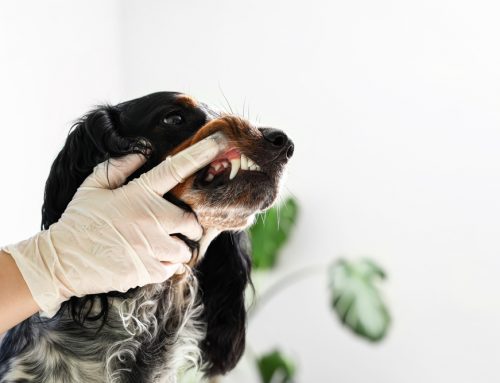
Veterinarians gently palpate each lymph node region and note size, texture, and whether nodes are painful. Fever, oral disease, wounds, weight loss, or lethargy can point toward infection or inflammation rather than cancer. A single enlarged node often suggests a local issue near that area, while multiple enlarged nodes may indicate systemic infection or cancer.
Because every pet is different, we adapt the plan to age, species, lifestyle, and how your pet is feeling that day. If your pet is uncomfortable or in pain, contact our team for emergency care.
Do We Need Cytology or Biopsy?
Most cases start with fine-needle aspiration, which is quick and minimally invasive. Cytology examines cells on a slide to identify patterns of infection, inflammation, or cancer. When results are unclear or a more detailed sample is required, biopsy adds clarity. Understanding cytology vs biopsy can help you know what to expect from each approach.
Fine-needle aspiration helps diagnose many infections and numerous lymphoma cases, while biopsy may be recommended when cytology is inconclusive or to refine a diagnosis. We perform most testing in-house for prompt answers through our diagnostic services, and we use ultrasound to guide needle samples when needed. If your pet has a cancerous tumor, we’ll often remove the lymph nodes surrounding the tumor for “staging”- this helps us to see if the cancer has spread. When surgery is appropriate for sampling or removing a problematic mass, our surgery team supports gentle recoveries.
Treatment Options: Tailored to the Cause
Treatments are selected based on the diagnosis. Infections and inflammatory problems are usually manageable with targeted medications and supportive care, and lymphoma or other cancers may be treated with chemotherapy, steroids, or comfort-focused care.
Our recommendations might include:
- Antibiotics or antifungals plus wound care or dental procedures for infectious causes
- Antimicrobial protocols and pain control for tick-borne diseases, followed by prevention strategies
- Multi-drug chemotherapy to induce remission for lymphoma, with single-agent regimens or steroids considered based on your goals
Our AAHA accreditation supports safe anesthesia, precise dosing, and vigilant monitoring throughout procedures and treatments. If surgery is recommended to address a related issue, our experienced surgical team handles routine and urgent cases. For ongoing comfort and recovery, we may incorporate alternative medicine like acupuncture or cold laser when appropriate.
Monitoring and Follow-Up: Keeping Your Pet on Track
Ongoing care focuses on regular rechecks, simple blood tests, and at-home observations to catch changes early and keep treatment on course, with a follow-up schedule tailored to your pet’s diagnosis and response.
Rechecks confirm lymph node size changes and overall well-being, and we can show you gentle palpation techniques so you can notice new lumps or symmetry changes at home. If your pet is recovering from infection, we may perform brief rechecks to ensure the swelling resolves. If your pet is undergoing cancer care, monitoring intervals are more structured, and we keep communication open so you feel supported. Our wellness and preventive care team helps you continue prevention strategies and address questions as they come up.
FAQs: Helpful Guidance for Common Concerns
What is a lymph node?
A small immune filter that can swell when fighting infection or reacting to inflammation.
When should I worry about enlarged lymph nodes?
Call us if multiple nodes enlarge quickly, your pet has a fever, breathing issues, or seems very lethargic.
Can enlarged nodes go away on their own?
Some do once the underlying issue resolves, but an exam ensures nothing serious is missed.
Do enlarged nodes always mean cancer?
No. Infection and inflammation are common causes. We diagnose the reason so treatment fits your pet.
Your Next Step for Peace of Mind and Prompt Care
Finding a lump can make your heart skip, but a timely evaluation and straightforward plan bring answers and options. Many causes of enlarged lymph nodes are treatable, and even serious diagnoses can be managed with compassion and tailored care. We’ll help you understand what the swelling means, what to expect, and how to keep your pet comfortable.
If you’re ready to move forward, you can request an appointment, or simply contact us with questions. At Creature Comforts Veterinary Service, we’re here to listen, explain, and guide you through every step. Reach out today to schedule your visit.


Leave A Comment