

Choosing Allergy Meds for Pets: Benefits, Choices, and What to Expect
What Are Your Options When Your Pet Cannot Stop Scratching?
The persistent sound of your dog licking, chewing, or scratching, especially when you are trying to sleep, is a familiar soundtrack for many pet owners dealing with allergies. It is frustrating to watch your pet cycle between scratching at irritated skin and feeling momentarily relieved, only to start the whole process over again. Chronic itching takes an emotional toll on the entire family, and it can be difficult to know where to start when there are so many treatment options available, from prescription medications and injectable therapies to medicated shampoos, supplements, and diet changes.
The truth is that there is no single solution that works for every pet. Allergy management is most effective when it combines the right medications with skin support, parasite control, and targeted home care. Since untreated chronic itching can lead to painful secondary infections and skin damage, finding a therapy that works is crucial for your pet’s comfort and long-term health.
At Creature Comforts Veterinary Service, we offer comprehensive diagnostic and dermatology services to identify what is driving your pet’s itch and build a plan that actually works. As an AAHA-accredited practice serving the Saylorsburg area with 24/7 emergency care, we have the experience and compassion to guide you through every step. If you are ready to stop the scratch cycle for good, schedule an appointment with our team.
Why Does Chronic Itching Spiral Out of Control?
Chronic itch starts with triggers like pollen, dust mites, certain foods, or flea bites that spark an overactive immune response in the skin. The result is inflammation, redness, and relentless itching that keeps your pet scratching and licking. That cycle breaks down the skin barrier, inviting bacteria and yeast to overgrow, which makes the itch even worse. Some pets also develop raised welts known as hives, especially after sudden exposures.
Getting control usually means working on several fronts at once: reducing the triggers that set off flares, treating any secondary infections so skin can heal, and selecting the right combination of therapies for your pet’s specific situation. A thorough workup matters because what looks like allergies can sometimes overlap with other conditions, and the best treatment plan depends on an accurate diagnosis.
How Do Prescription Itch Medications Work?
Several prescription options target the itch and inflammation cycle in different ways. Your veterinarian will recommend the best fit based on your pet’s age, species, severity of symptoms, and overall health.
Apoquel (Oclacitinib) and Zenrelia (Ilunocitinib)
Apoquel and Zenrelia are oral tablets that quiet the specific immune signals responsible for itch and inflammation. Relief often starts within hours and continues with daily dosing. Because it targets a specific pathway rather than suppressing the entire immune system, they tend to have fewer broad side effects than steroids or cyclosporine. They both work a little differently, and we’ll help you choose which is right for your pet. Periodic bloodwork helps ensure everything stays on track with long-term use.
Cytopoint
Cytopoint is an injection given at the clinic that uses a targeted antibody to block interleukin-31, the signal that triggers the sensation of itch in dogs. One injection can relieve scratching for four to eight weeks, which is helpful for pets that do not tolerate daily pills or for families who prefer fewer dosing steps. It has an excellent safety profile and does not broadly suppress the immune system. If you are weighing the timing of injections around peak allergy months in the Poconos, our team can help map out a schedule.
Atopica (Cyclosporine)
For pets with moderate to severe atopic dermatitis that has not responded well to other options, cyclosporine is an immunomodulator that calms the overactive immune cells driving skin inflammation. Atopica for dogs and Atopica for cats are both available, making this one of the few prescription allergy medications with a feline-specific formulation. It takes a few weeks to reach full effect, but for the right patient it can provide excellent long-term control. Periodic monitoring helps ensure your pet tolerates it well.
Corticosteroids (Prednisone and Prednisolone)
Steroids are powerful anti-inflammatory medications that calm the immune response quickly. They are useful for severe flare-ups, acute reactions, or when infections and swelling must be brought under control fast. For cats, prednisolone is often preferred because they process it more effectively than prednisone.
Steroids work well as short-term rescue therapy, but extended use carries risks like increased thirst, appetite, weight gain, and higher infection susceptibility. When steroids are part of the plan, our clinicians set clear goals, taper doses carefully, and use in-house testing to track response so that strong medicine is used safely and strategically.
Antihistamines
Over-the-counter antihistamines like cetirizine, diphenhydramine, and chlorpheniramine are sometimes recommended as part of an allergy management plan. They tend to be most helpful for mild symptoms or as an add-on to other therapies rather than as a standalone solution. Dosing varies by species and size, so always check with your veterinarian before giving any antihistamine at home, as some formulations contain ingredients that are toxic to pets.
How Can Topical Therapies and Medicated Baths Help?
Bathing and topical products play a bigger role in allergy management than many owners realize. Regular grooming and medicated baths remove allergens from the coat, soothe inflamed skin, and help restore the skin barrier that chronic scratching breaks down. Many allergic pets benefit significantly from topical therapy as part of their overall plan. One important note: when using medicated shampoos, lather up your pet and let the product sit for ten minutes before rinsing so you get the full effect.
For dogs and cats with allergic skin, several options from our pharmacy can make a real difference:
- Duoxo Calm Shampoo and Duoxo Calm Mousse are formulated specifically for irritated, allergy-prone skin and can be used on both dogs and cats. The mousse is a good option for cats or pets who are not fans of a full bath.
- Relief Shampoo helps calm itchy, inflamed skin with a gentle, soothing formula.
- Episoothe Shampoo with colloidal oatmeal is excellent for sensitive, dry skin, and pairing it with Episoothe Cream Rinse adds extra moisture and protection.
- Dermallay Oatmeal Conditioning Spray is a leave-on option that provides relief between baths without needing a full wash.
There are also sprays, wipes, and shampoos with anti-bacterial or anti-yeast ingredients. How often to bathe depends on your pet’s specific situation. Some allergic pets do well with weekly baths during flare seasons, while others need less frequent care. Our team can recommend the right products and frequency based on what your pet’s skin needs.

Do Supplements and Nutrition Really Help With Allergies?
They can, and for many pets they are an important piece of the puzzle. Supplements do not replace prescription medications for moderate to severe allergies, but they support skin health from the inside and can reduce the severity and frequency of flares over time.
Fatty Acid and Skin Support Supplements
Omega-3 and omega-6 fatty acids help strengthen the skin barrier and have natural anti-inflammatory properties. Nutrition’s role in dermatitis is well supported by research, and adding targeted supplements is one of the simplest ways to support your pet’s skin.
- Omega Healthy Skin Capsules provide a blend of omega-3, 6, and 9 fatty acids for both dogs and cats
- Dermaquin Healthy Skin Allergy Support combines fatty acids with additional ingredients to support skin health in allergic pets
- Veterinary Strength Allergy and Itch Support is a hypoallergenic formula that supports the structural foundation of your pet’s skin from the inside out. It combines omega-3 and 6 fatty acids with powerful antioxidants, hyaluronic acid, and ingredients from three different classes of flavonoids that support healthy histamine levels.
Diet and Food Allergies
For pets with suspected food allergies, diet changes can be transformative. Sensitive skin diets are formulated with limited ingredients and added nutrients to support skin and coat health. When a true food allergy is suspected, hydrolyzed protein diets break proteins down so small that the immune system does not recognize them as triggers. These diets are used during elimination trials lasting 8 to 12 weeks to determine whether food is playing a role in your pet’s symptoms.
Why Is Parasite Prevention So Important for Allergic Pets?
Flea bites are one of the most common triggers for allergic skin disease, and for sensitive pets, a single bite can set off a major flare. Consistent year-round prevention is essential, especially in pets with any history of skin allergies. Missing even one month can undo weeks of progress.
We carry several trusted options through our pharmacy:
For dogs:
- Simparica Trio provides flea, tick, and heartworm protection in one monthly chewable
- Bravecto offers extended flea and tick protection
- NexGard is a monthly chewable for flea and tick prevention
- Credelio Quattro covers fleas, ticks, heartworm, and intestinal parasites
For cats:
- Bravecto for Cats provides extended flea and tick protection
- Credelio for Cats is a small, flavored tablet for monthly flea and tick control
There are a number of other products that might be better options for your pets or lifestyle. Our team can help you choose the right product based on your pet’s activities, size, and any other medications they are taking.
How Should You Care for Allergy-Prone Ears?
Allergies and ear problems go hand in hand. Inflammation from allergies often affects the ear canals, creating warm, moist conditions where yeast and bacteria thrive. If your pet is shaking their head, scratching at their ears, or you notice odor or discharge, the ears need attention.
Routine cleaning with a veterinary-approved solution helps prevent secondary infections and keeps ears comfortable between veterinary visits. We recommend:
- Epiotic Advanced Ear Cleaner for routine maintenance cleaning
- Zymox Ear Cleaner for ears that need enzymatic cleaning support
- EpiKlean Ear Cleaner for gentle, effective cleaning
- Ask us about options that have antimicrobial ingredients for infection-prone ears
Proper technique matters for safe ear cleaning, and watching a trusted demonstration for cleaning your dog’s ears at home can help you feel more confident. If your pet’s ears are painful, very red, or producing heavy discharge, have them examined before cleaning at home, as some ear infections need prescription treatment and cleaning a painful ear can do more harm than good.
Our clinicians use ear cytology to identify exactly what is growing in the ear canal so treatment is targeted and effective.
What About Immunotherapy for Long-Term Control?
For dogs with confirmed environmental allergies, allergen-specific immunotherapy can reduce sensitivity over time. These are custom allergy shots or drops that gradually retrain the immune system to stop overreacting to specific triggers. It is a commitment, and the benefits build slowly over months, but many pets eventually need fewer medications as their overall allergy load decreases.
Some families prefer drops over injections, called sublingual immunotherapy. If immunotherapy is a good fit, we will help coordinate testing and build an approach that works alongside your pet’s current medications while the immune system adapts.
Can Acupuncture and Cold Laser Therapy Help Allergic Pets?
Medications and topical care do the heavy lifting for most allergic pets, but some patients benefit from additional support through alternative medicine therapies like acupuncture and cold laser therapy. These are not replacements for your pet’s allergy medications, but they can be valuable additions to a comprehensive plan, especially for pets dealing with chronic inflammation and skin discomfort.
Veterinary acupuncture involves placing thin needles at specific points on the body to stimulate the nervous system, improve circulation, and help regulate the immune response. For allergic pets, acupuncture sessions can help reduce inflammation, support skin healing, and promote overall comfort.
Laser therapy uses focused light energy to reduce inflammation and promote tissue repair at the cellular level. For pets with chronic skin irritation, hotspots, or ear inflammation from allergies, laser sessions can speed healing and provide relief between medication doses. Treatments are painless, quick, and require no sedation.
Both therapies work best as part of a broader allergy management plan. If your pet’s allergies are not fully controlled with medications alone, or you are looking for ways to reduce flare severity and support skin recovery, ask our team whether acupuncture or laser therapy might be a good fit.
When Should You Call the Vet About Allergies?
Most allergy flares are uncomfortable but manageable with the right plan. However, certain signs call for immediate care:
- Swollen face, widespread hives, or sudden breathing changes
- Hotspots or itching so severe your pet is traumatizing themselves
- Headshaking with inflamed, smelly, or gunky ears
- Repeated vomiting or diarrhea after exposure to a new food or sting
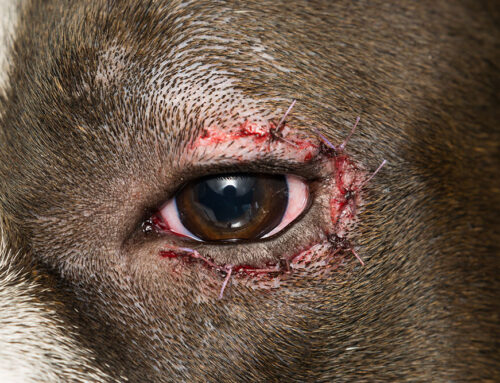
- Eye irritation that could indicate conjunctivitis or surface injuries like corneal ulcers
When serious signs appear, our emergency care team is available around the clock in Saylorsburg to stabilize your pet and guide next steps.
Finding the Right Combination for Your Pet
Allergy management is rarely about finding one magic solution. The most comfortable pets are usually on a combination that works together: a prescription medication to control the itch, consistent parasite prevention to eliminate flea-related flares, topical care to soothe and protect the skin, supplements to support the skin barrier from the inside, and the right diet for their individual needs. For some pets, therapies like acupuncture and laser can provide additional relief and support healing.
Our role is to listen, examine carefully, and build a plan that fits your pet and your family. If you have questions about which options are right for your pet, or you are ready to get started, please contact our team or request an appointment today. Relief is within reach, and we are here to help your pet rest comfortably again.



Leave A Comment