

Happy Apartment Cats: Litter Boxes, Vertical Space, and Easy Enrichment
Can Cats Really Thrive in a Small Apartment?
If you’ve ever worried that your apartment might not be big enough for a happy cat, you’re not alone. It’s one of the most common concerns cat owners bring up, and the short answer is that even a small apartment can be a feline paradise. Cats don’t measure happiness in square footage. They measure it in territory they can claim, high places they can survey, things they can hunt (even if the “prey” is a crinkle ball), and a clean, private bathroom they trust. When those core needs are met, even a studio apartment can feel like a kingdom.
As an AAHA accredited practice serving the Saylorsburg area, Creature Comforts Veterinary Service takes a comprehensive approach to feline wellness, including the environmental and behavioral side of things. If you’d like help tailoring a plan to your apartment and your cat, our wellness and preventative care visits are a great place to start.
What are the Basics of Indoor Cat Needs?
The three pillars that make the biggest difference for indoor cat happiness are smart litter box design and placement, vertical space that expands usable territory upward, and meaningful daily enrichment that keeps your cat mentally and physically engaged. None of this requires expensive renovations. Small, consistent changes are what matter most, and keeping indoor cats happy comes down to understanding what your cat actually needs, not what you think they might be missing.
What Makes a Good Litter Box Setup in an Apartment?
How Do You Pick the Right Box?
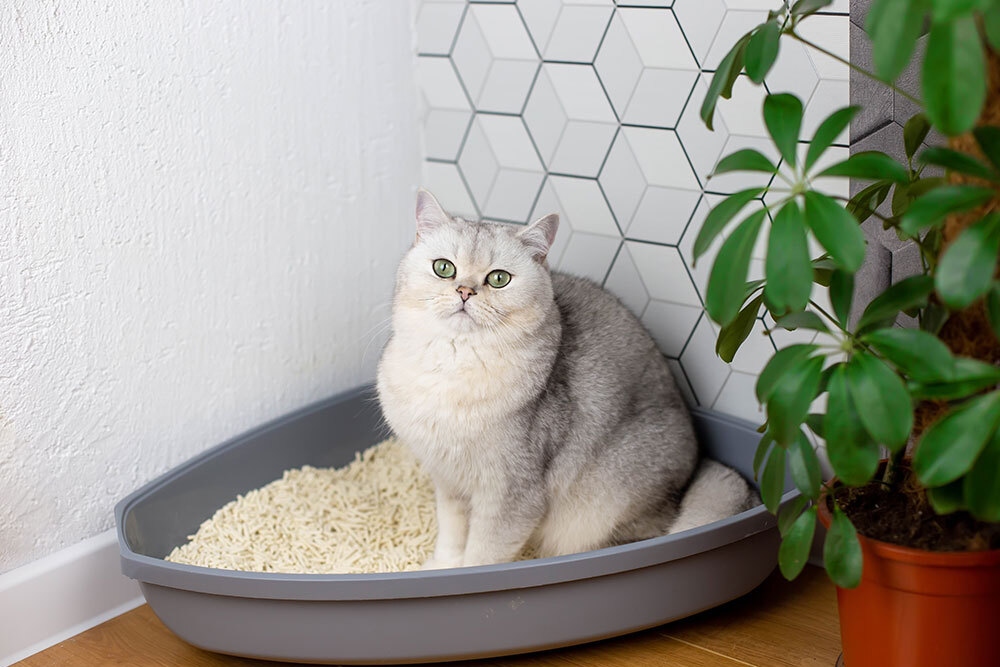
The litter box is the single most important piece of “furniture” in your cat’s life, and getting it right prevents a surprising number of behavior problems. The box should be large enough for your cat to turn around comfortably, at minimum as long as your cat from nose to base of tail. Uncovered boxes are preferred by most cats because they feel less trapped, but in small apartments where odor control matters, a top-entry or furniture-style enclosure can work well as long as your cat accepts it willingly.
Helpful litter box tips include sticking with fine, unscented clumping litter (most cats prefer it), scooping at least once daily, and fully washing the box weekly. If you’re switching brands, mix the old and new over 7 to 10 days to give your cat time to adjust. In multi-cat homes, the general rule is one box per cat plus one extra.
Where Should You Put Litter Boxes in a Small Space?
Placement matters just as much as the box itself. Cats want privacy and quiet, but they also need easy access, so finding the balance takes a little creativity in an apartment.
Good options include bathroom corners or the area beside the toilet, a closet with a cat-door insert for privacy, an under-sink cabinet with the front panel removed, a quiet hallway nook away from foot traffic, and a dedicated shelf in a laundry area (as long as the washer and dryer aren’t running during peak litter box hours). Avoid placing boxes near food and water bowls, next to loud appliances, or in dead-end spots where one cat could corner another.
In multi-cat homes, spread boxes across different areas rather than clustering them together. Good ventilation and a nearby air purifier can help with odor in smaller rooms.
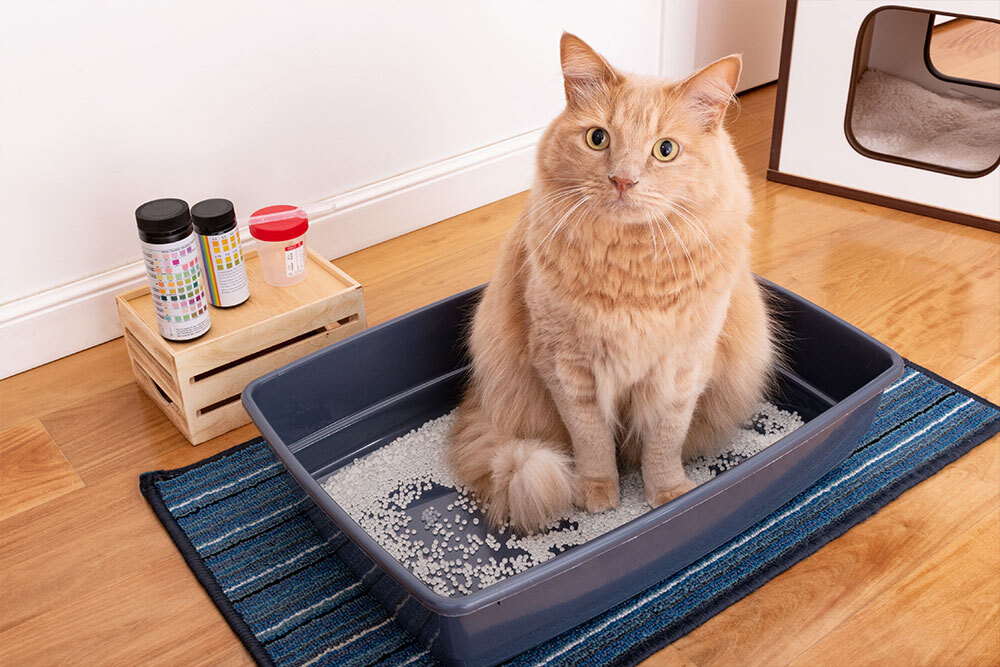
If your cat starts urinating outside the box or straining, that’s a signal to schedule a visit. Urinary discomfort is one of the most common medical causes of litter box avoidance, and our diagnostics team can run urinalysis and other tests to rule out medical problems quickly.
Why Does Vertical Space Matter So Much for Apartment Cats?
How Climbing Changes Everything
Cats think in three dimensions. A 600-square-foot apartment with good vertical space can feel larger and more interesting to a cat than a house with nothing to climb. Elevated perches let cats survey their territory, retreat from stress, and satisfy their natural instinct to be up high. In multi-cat homes, vertical territory reduces conflict by giving cats neutral “third spaces” where no one owns the ground.
Start with a sturdy cat tree near a window for bird-watching, then build from there. Wall-mounted shelves arranged as a climbing pathway, a floating shelf at the top of a bookcase, or a window perch in the bedroom all expand usable territory without taking up floor space.
What Products and DIY Ideas Work Best?
Catification furniture designed specifically for wall mounting includes shelves, bridges, and hammocks that connect favorite resting spots into a highway system. Home furnishings for cats offer similar options with different aesthetics if you want something that blends with your decor. DIY options work too: sturdy floating shelves from a hardware store, arranged in a staircase pattern, give your cat a climbing route for a fraction of the cost. Free standing cat trees in front of a window with a bird feeder and hammocks that attach to windows are also great solutions for vertical space.
For safe outdoor-adjacent experiences, catios provide fresh air and sensory stimulation without the risks of free roaming. Even a secure window box with a screen enclosure gives your cat access to outdoor sounds, scents, and breezes.
Safety checks: Test stability and weight capacity before your cat uses any new shelf or structure. Ensure there’s no wobble or tipping risk, keep pathways clear, and offer multiple routes up and down. Rotate the layout every few months to renew interest.
How Do You Keep an Apartment Cat Entertained?
Meeting the Hunting Instinct
Cats are hardwired to stalk, chase, and pounce, and indoor cats still need outlets for that drive. Understanding your cat’s hunting behavior helps you play in ways that actually satisfy them: move toys like prey with low, fast darting for “mice,” fluttering and gliding for “birds,” and stop-and-start movements that trigger the pounce response. Two to three short play sessions a day (five minutes each is plenty) make more of a difference than one long session.
Rotate a small collection of DIY enrichment toys weekly to keep novelty high. Crinkle paper balls, cardboard tunnels, and treat puzzles encourage mental work without cluttering your apartment.
Are Laser Pointers Okay?
Laser pointers can be motivating, but always end the game by landing the dot on a toy your cat can physically catch. Ending on a catch completes the hunting sequence and prevents the frustration of chasing something they can never actually “get.” Be mindful of eye safety and avoid shining directly at your cat’s face. Some cats can become “neurotic” with laser points; if they seem to become obsessed with it, limit usage.
What About Outdoor Access and Sensory Enrichment?
Not every apartment cat needs to go outside, but sensory enrichment makes indoor life richer. A bird feeder mounted outside a window provides endless visual stimulation. Catnip and silvervine offer safe sensory experiences for cats who enjoy them. Some cats actually enjoy scent work, just like dogs! Even TV channels with birds and squirrels can entertain some cats for hours on end.
What About Food, Training, and Cooperative Care?
Using Food as Enrichment
Food puzzles, slow feeders, and treat-dispensing toys turn mealtime into mental work, which is especially valuable for apartment cats with limited physical outlets. Indoor cats may benefit from a mix of wet or dry cat food depending on hydration needs, dental health, and calorie goals. Try scatter feeding, sprinkling kibble in layers of packing paper in cardboard boxes, and hiding treats treats around the house to engage their brains.
Can You Actually Train a Cat?
You absolutely can. Cat training with positive reinforcement builds confidence and strengthens your bond, while also burning mental energy. Start with simple cues like “come” and “target,” then build to carrier comfort, calm nail care, and handling exercises. Cooperative care takes this further by teaching your cat to participate willingly in care tasks, like teeth brushing and being restrained, which makes veterinary visits calmer for everyone.
If you’re working through diet questions, weight management, or want help getting started with training, request an appointment and we can build a plan that fits your routine.
How Do You Handle Scratching and Stress in an Apartment?
Redirecting Scratching (Without Losing Your Couch)
Scratching is a normal, necessary behavior. Cats scratch to maintain their claws, stretch their muscles, and mark territory. The goal isn’t to stop scratching; it’s to give your cat better options than the furniture. Provide sturdy, tall scratchers in sisal, cardboard, and carpet, placed near sleeping areas and entry points. Both vertical and horizontal options cover different preferences. Practical strategies for destructive scratching focus on making the right spots more appealing than the wrong ones.
Reducing Stress in Close Quarters
Apartments amplify sounds and limit escape routes, which can increase tension for sensitive cats. Predictable routines for meals, play, and quiet time help. Provide hiding spots (a covered bed, a box on a shelf), and use white noise during construction or gatherings. In multi-cat homes, make sure each cat has independent access to food, water, litter, and resting spots without having to pass through another cat’s territory. Pheromone diffusers like Feliway help by releasing a “feel good” synthetic hormone that can help them feel more at ease.
If tension is building between cats or your cat seems chronically stressed, contact our team and we’ll help you adjust the environment and rule out any medical contributors. Our online pharmacy offers Feliway and a variety of calming, anti-anxiety treats and supplements that are vet-approved.
What Is Your Cat Telling You?
Cats communicate constantly through body language, and apartment life gives you a front-row seat. Purring, slow blinks, kneading, and a relaxed body posture signal contentment. Understanding why cats purr reveals that purring can also indicate pain or stress, so context matters. A swishing tail, flattened ears, dilated pupils, and a low body stance suggest anxiety or discomfort.
If you notice significant changes in vocalization, appetite, hiding behavior, or litter box habits, those shifts deserve a closer look. Request an appointment so we can help determine whether the change is environmental, behavioral, or medical.
What If Your Cat Is Having Behavior Problems?
When Is It Medical and When Is It Behavioral?
This is one of the first things we sort out, because cat behavior problems like litter box avoidance, inappropriate elimination, and sudden aggression often have a medical driver. Urinary tract infections, crystals, gastrointestinal discomfort, and pain from arthritis can all change how a cat behaves, and those need treatment, not behavior modification.
Once medical causes are ruled out, we look at environmental factors. Stress, anxiety, routine changes, new pets, and multi-cat tension are among the most common behavior issues in apartment cats. Reviewing feline life stressors can help you identify triggers you might not have considered, from a new piece of furniture blocking a favorite path to construction noise from a neighboring unit.
If you’re dealing with elimination issues, increased hiding, or sudden behavioral shifts, request an appointment so we can help you sort out the cause and build a plan.
How Do You Support Older Cats in an Apartment?
Senior cats deserve special attention because aging brings changes that are easy to miss. Cognitive decline can cause confusion, nighttime vocalization, and litter box accidents. Arthritis may make jumping into a high-sided box painful, or climbing to a favorite perch too difficult.
Practical adjustments help: low-entry litter boxes on the main living level, additional boxes placed closer to resting areas, step stools or ramps to favorite spots, and nightlights in hallways for cats who seem disoriented after dark. Recognizing older cat behavior problems early means we can address pain, mobility, and cognitive changes before they significantly affect quality of life. Our wellness and preventative care visits for senior cats include mobility assessments and environmental recommendations. For cats dealing with chronic discomfort, our alternative medicine services, including laser therapy and acupuncture, can provide additional comfort.
Frequently Asked Questions
My cat keeps going outside the litter box. What should I do first? Start with a veterinary visit. Urinary tract infections, crystals, and pain are common medical causes of litter box avoidance that need treatment, not just environmental changes. Once medical causes are ruled out, we can work through behavioral and environmental solutions together.
How many litter boxes do I need in a one-bedroom apartment? For a single cat, two boxes in different locations is ideal. If you only have room for one, make it large, keep it spotless, and watch for any signs of avoidance. Multi-cat homes should follow the one-per-cat-plus-one guideline with boxes spread across different areas.
Is it cruel to keep a cat in an apartment? Not at all. Indoor cats can live longer, healthier lives when their environmental needs are met. Vertical space, daily play, sensory enrichment, and a clean litter setup give apartment cats everything they need to thrive.
My senior cat stopped jumping to her favorite spots. Should I be concerned? Yes, this is worth investigating. Arthritis, pain, and cognitive changes can all reduce a cat’s willingness to jump. Low-entry perches, ramps, and a veterinary evaluation to assess mobility and comfort are good next steps.
How do I reduce tension between cats in a small space? Make sure each cat has their own food station, water bowl, litter box, and resting spot. Add vertical territory so cats can share the apartment without competing for ground-level space. Short, separate play sessions can also reduce redirected energy and tension.
Helping Apartment Cats Live Their Best Lives
A thoughtful litter box setup, layered vertical space, and daily enrichment transform small homes into territories full of comfort and choice. The changes don’t need to be expensive or complicated. They need to be consistent and focused on what your cat actually needs.
We’d love to partner with you on a personalized plan for your apartment and your cat’s unique personality. Request an appointment for a wellness visit or behavioral consultation, and let our team at Creature Comforts Veterinary Service help you build a happier, more engaging home life. If questions come up in the meantime, contact us and we’ll point you toward practical next steps.





Leave A Comment