

Pet Emergencies Happen: Here’s How to Be Ready
Emergencies do not check anyone’s calendar before striking. One moment, a pet enjoys a nap in the sun; the next, there is sudden choking, labored breathing, or a dangerous accident. For families in Saylorsburg, Pennsylvania, having a clear plan can transform anxiety into confident action.
Creature Comforts Veterinary Service believes that a little preparation goes a long way toward protecting pets and giving owners peace of mind when the unexpected happens.
What Really Counts as a Pet Emergency?
It can be difficult to decide whether a situation needs urgent care or can wait. Some signs are obvious, like trauma or uncontrolled bleeding, while others are more subtle. Situations that need immediate veterinary attention include:
- Trauma from falls, vehicle accidents, or bites
- Difficulty breathing or respiratory distress, especially in flat-faced breeds
- Suspected toxin ingestion, such as human medications, antifreeze, or poisonous plants
- Seizures, sudden collapse, or loss of consciousness
- Bloat in large or deep-chested dogs
- Urinary blockages in male cats
- Profuse, unstoppable bleeding
For a more complete reference, keep the AVMA’s 13 Animal Emergencies guide handy.
Around-the-Clock Help Is One Call Away
Creature Comforts Veterinary Service is the only clinic in the Poconos offering 24/7 emergency care. A phone call the moment trouble appears allows receptionists and technicians to give immediate advice and lets the doctor prepare lifesaving equipment before the pet arrives. If it is the middle of the night and a veterinarian is off-site, calling ahead provides crucial travel time so treatment can begin without delay. When possible, enlist a family member to phone while driving, ensuring the clinic receives details such as symptoms, estimated arrival time, and any suspected toxins.
Why Emergency Preparedness Matters for Every Pet Owner
Emergencies are stressful for both pets and people. When panic hits, having a plan transforms chaos into calm action. Fast intervention can:
- Prevent complications and reduce treatment costs
- Minimize suffering and speed up recovery
- Protect the pet owner’s confidence and sense of control
Creature Comforts’ on-site diagnostics suite supports this swift care with rapid bloodwork, digital imaging, and ultrasound, letting veterinarians confirm a diagnosis in minutes rather than hours.
How to Build a Pet Emergency Kit
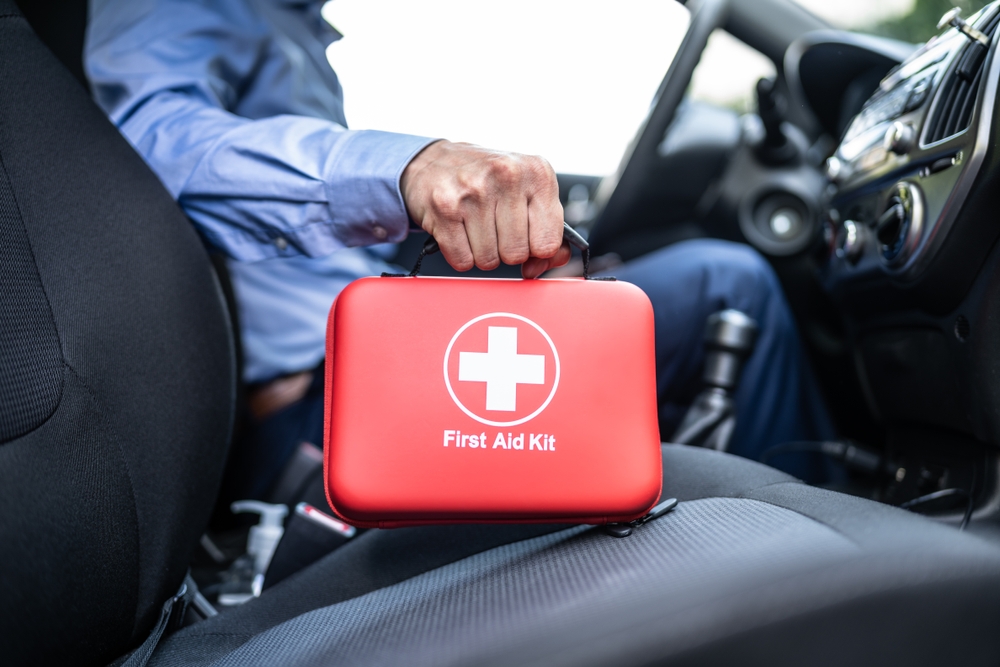
A pet emergency kit is the foundation of preparedness. Keep it in an easy-to-reach spot and check contents every few months to replace expired items.
Essentials to include:
- Gauze, non-stick bandages, adhesive tape, antiseptic wipes
- Digital thermometer and disposable gloves
- Muzzle, leash, or secure carrier
- Copies of medical records, vaccine history, microchip information
- Recent photos of the pet for identification
- Comfort item such as a blanket or small toy
- Emergency contacts: your primary veterinarian, Creature Comforts 24/7 line, a nearby emergency clinic, and ASPCA Poison Control
For additional ideas, browse these Pet First Aid tips. More guidance: Preventing Pet Emergencies.
Be Financially Ready for Emergencies
Unexpected care can strain any budget. Consider:
- Researching pet insurance before an emergency occurs
- Setting aside a small savings fund
- Asking about CareCredit or similar payment plans
- Staying current with preventive care, which often avoids larger emergency expenses later
Emergency Skills Every Pet Owner Should Learn
No one wants to perform CPR on a dog or cat, yet knowing how could save a life. Valuable skills include:
- Basic pet CPR (Cornell CPR Guide)
- First aid for cuts, sprains, or insect stings
- How to handle choking incidents (Dog Heimlich Instructions)
- Basic wound cleaning and splinting
- Safe transport of an injured pet
Consider a Red Cross Cat and Dog First Aid Class for hands-on practice.
Recognizing Subtle Signs of Trouble
Some emergencies develop slowly. Symptoms that should never be ignored include:
| Emergency Symptom | Why It’s Serious |
| Open-mouth breathing in cats | Possible respiratory distress (Respiratory Distress Guide) |
| Repeated vomiting or diarrhea lasting more than 24 hours | Risk of dehydration, toxicity, or obstruction |
| Straining to urinate | Could indicate a life-threatening urinary blockage |
| Bloated, hard abdomen with retching | Classic sign of bloat in dogs |
| Seizures lasting more than two to three minutes | Requires immediate veterinary care |
When uncertain, come in. Review the AAHA “Help! Is This a Pet Emergency?” guide for quick reference.
Prepare for Local Disasters in Pennsylvania
Tornadoes and Severe Storms
- Identify a safe interior space such as a basement.
- Keep the emergency kit, leashes, and carriers ready for fast sheltering.
Flooding
- Store vital supplies in waterproof containers.
- Prevent pets from wading through floodwaters that may hold chemicals or bacteria.
Winter Storms
- Use pet-safe ice melt and paw balm.
- Keep drinking water from freezing and create a warm rest area indoors.
Power Outages
- Stock extra blankets, flashlights, and water.
- Plan ahead for temperature-sensitive medications and avoid open-flame heat sources.
Heat Waves
- Provide unlimited cool water and shaded rest areas, and walk pets only at dawn or dusk
- Never leave animals in parked vehicles; interior temperatures soar within minutes even on mild days
Learn more: Warm-weather safety tips
What to Bring for an Emergency Vet Visit
Preparation speeds triage and treatment. Pack:
- Medical history, vaccine records, and current medications
- Videos or photos showing unusual symptoms
- A list of recent foods or possible toxins
- Microchip number and ID tags
- Payment method and emergency contact numbers
A calm, organized presentation of information helps the veterinary team act swiftly.
FAQs: What Pet Owners Want to Know
Should every episode of vomiting prompt an ER visit?
One or two incidents may resolve, but repeated vomiting, lethargy, severe diarrhea, or the presence of blood requires urgent care. Unproductive retching signals bloat and demands immediate attention.
Is over-the-counter human medication safe for pets?
Never give medication without veterinary approval; many common human drugs are toxic to animals.
What if emergency costs feel overwhelming?
Discuss payment plans or financing options with the clinic in advance and explore pet insurance to help cover unexpected expenses.
Ready, Set, Call
Emergencies strike without warning, yet preparation transforms fear into decisive action. Creature Comforts Veterinary Service stands ready day or night to guide families through crises, supported by rapid diagnostic tools and compassionate care. Have more questions about emergency planning or first-aid techniques? We’re here to help before curiosity turns into crisis—giving every pet a safer tomorrow and every owner much-needed peace of mind.







Leave A Comment