

Understanding Feline Kidney Disease: A Guide for Pet Owners
Creature Comforts Veterinary Service | Saylorsburg, PA
What is Feline Kidney Disease?
Feline kidney disease, or chronic kidney disease (CKD), is one of the most common conditions affecting older cats. The kidneys play a vital role in filtering toxins from the blood, regulating hydration, balancing electrolytes, and producing essential hormones. Over time, kidney function declines, leading to waste buildup in the bloodstream and serious health complications.
Early detection and proper management are key to slowing disease progression and improving your cat’s quality of life.
Learn more about feline kidney disease from the Cornell Feline Health Center.
Recognizing the Early Signs of Kidney Disease in Cats
Detecting kidney disease in its early stages can be challenging because symptoms tend to appear gradually. Keep an eye out for:
- Increased thirst and frequent urination – The kidneys struggle to concentrate urine, leading to dehydration.
- Weight loss and reduced appetite – Toxin buildup in the blood can cause nausea and decreased hunger.
- Lethargy and weakness – Loss of essential nutrients affects energy levels.
- Poor coat condition – Dry, unkempt fur can signal declining health.
- Bad breath (ammonia-like odor) – A result of toxin accumulation.
- Vomiting and diarrhea – Common in advanced stages.
Behavioral Changes to Watch For:
- Increased hiding or reluctance to interact.
- Restlessness or disorientation, especially at night.
- Vocalization changes, such as excessive meowing.
Monitoring your cat’s habits is essential. If you notice any of these signs, schedule an appointment for an evaluation.
How is Kidney Disease Diagnosed?
At Creature Comforts Veterinary Service, we use advanced diagnostic tools to assess kidney function and detect CKD in its early stages.
- Blood Tests – Measures creatinine and blood urea nitrogen (BUN) levels, which indicate kidney filtration efficiency.
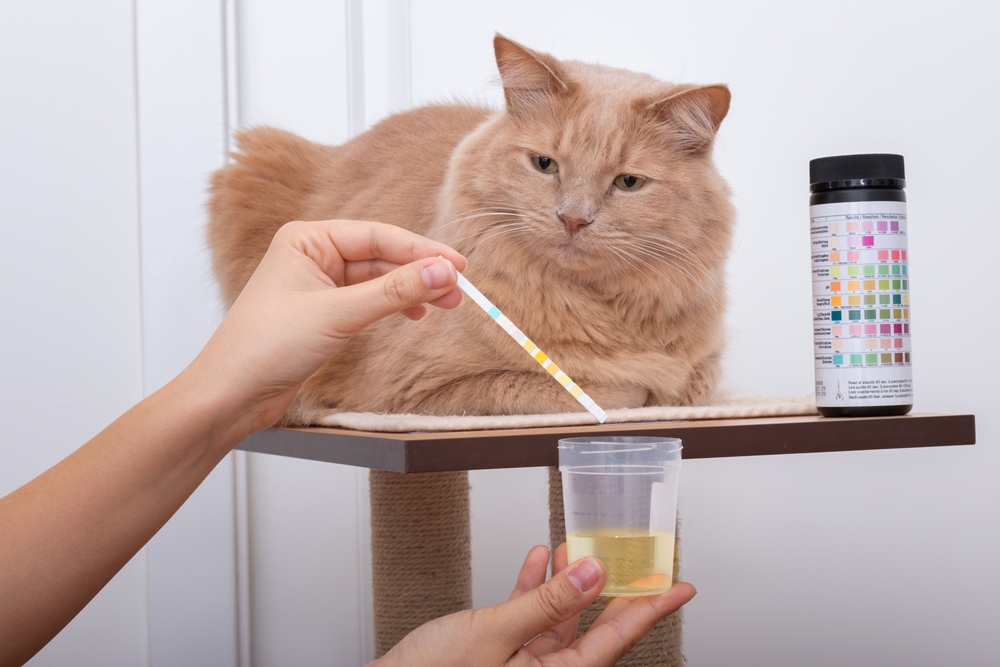
- Urinalysis – Evaluates urine concentration and checks for protein loss, a marker of kidney damage.
- SDMA Test – A more sensitive test that detects kidney decline earlier than standard bloodwork.
- Ultrasound & X-Rays – Helps assess kidney size and structure for abnormalities.
Preventive screening is essential for senior cats. Learn more here.
Managing Chronic Kidney Disease in Cats
Although CKD is a progressive disease, proper management can slow its progression and enhance your cat’s comfort and longevity.
Dietary Modifications
- Low-phosphorus, moderate-protein diets – Reduces kidney workload.
- Omega-3 fatty acids – Supports kidney health and reduces inflammation.
- Increased moisture intake – Wet food and broths help prevent dehydration.
Hydration Support
- Encourage drinking – Water fountains and multiple water bowls promote hydration.
- Subcutaneous fluids – At-home fluid therapy can support kidney function in advanced cases.
Medications & Supplements
- Phosphate binders – Prevent phosphorus buildup, reducing further kidney damage.
- Blood pressure medication – Helps manage hypertension, common in cats with CKD.
- Appetite stimulants & anti-nausea meds – Combat weight loss and discomfort.
Learn how to manage kidney disease at home with MSU’s guide.
Common Conditions That Can Worsen Kidney Disease
Feline CKD often occurs alongside other chronic diseases. Understanding these conditions allows for better overall care.
Feline Hyperthyroidism & Kidney Disease
Many older cats with CKD also suffer from hyperthyroidism, an overactive thyroid condition that exacerbates kidney stress. Managing thyroid function is crucial for stabilizing kidney health.
Read AAHA’s feline hyperthyroidism guidelines here.
High Blood Pressure (Hypertension)
- Uncontrolled hypertension can damage the kidneys further.
- Routine blood pressure monitoring helps prevent additional kidney damage.
Creating a Kidney-Friendly Environment at Home
Adapting your home to support your cat’s changing needs is an important part of long-term kidney care.
- Elevated food and water bowls – Reduce strain on joints and improve hydration.
- Easily accessible litter boxes – Use low-entry boxes for senior cats.
- Soft bedding & warm resting areas – Keeps aging cats comfortable.
- Reduce stress & loud noises – A calm environment supports overall well-being.
Learn how to support your senior pet with AAHA’s veterinary care recommendations.
Prognosis & Quality of Life
Many cats with kidney disease live happy, fulfilling lives for years with proper care. Routine monitoring, dietary adjustments, and consistent hydration support can significantly improve their comfort and well-being.
- Regular vet check-ups help track disease progression and adjust treatment.
- Engagement & gentle activity provide mental stimulation.
- Ongoing communication with your veterinarian ensures proactive care.
Worried about your cat’s health? Schedule an appointment today.
FAQs About Feline Kidney Disease
Q: Can kidney disease be cured?
A: Chronic kidney disease is progressive and cannot be cured, but early intervention can slow progression and improve quality of life.
Q: How often should I bring my cat in for check-ups?
A: Cats with CKD should have check-ups every 3-6 months for bloodwork, urine tests, and blood pressure monitoring.
Q: Can I manage kidney disease at home?
A: Yes! Diet changes, hydration support, and medications can be managed at home with guidance from your veterinarian.
How Creature Comforts Veterinary Service Can Help
At Creature Comforts Veterinary Service, we provide:
- Comprehensive kidney disease diagnostics
- Personalized treatment plans for CKD
- Senior wellness exams & preventive care
Need expert advice on managing kidney disease? Contact us today.
Time for a check-up? Schedule a visit here.

Leave A Comment