

Ear Care 101: How Often Should You Check and Clean Your Pet’s Ears?
Ear infections develop quietly until discharge, odor, and head shaking make the problem obvious. By then, inflammation has usually progressed deep into ear canals, requiring weeks of treatment instead of simple cleaning. Regular ear checks catch problems early when they’re easier to manage, but knowing what’s normal versus concerning and how often to clean depends on breed, ear anatomy, and individual tendencies toward wax buildup or moisture retention. Not every dog needs weekly cleaning, and overcleaning can actually create problems by disrupting the ear canal’s natural protective barriers.
Creature Comforts Veterinary Service in Saylorsburg helps families establish appropriate ear care routines personalized to your pet during wellness visits. Our AAHA-accredited team examines ears thoroughly, teaching owners what healthy canals look and smell like so they can recognize changes. Dogs with floppy ears, allergies, or those who swim frequently need more frequent monitoring than dogs with erect ears and minimal moisture exposure. Through our diagnostic capabilities, we identify infections early and determine which cleaning products suit individual pets. Request an appointment to learn appropriate ear care for your dog or cat, or contact us if you notice discharge, odor, or scratching that suggests infection.
Why Routine Ear Checks Are Worth Your Time
It often starts with something small. A little ear scratching, a faint odor, maybe a head shake here or there. While easy to overlook, these subtle signs may be your pet’s way of saying their ears need attention.
Routine ear checks are an easy, low-stress way to catch problems early. Most pets tolerate a gentle ear look-over at home, especially when it becomes part of a predictable care routine. Teaching your pet cooperative care techniques can make ear cleaning a fun part of training. Our team incorporates ear assessments into annual and biannual wellness care because early detection makes all the difference.
Anatomy Matters: Understanding Pet Ears
How Your Pet’s Ear Structure Affects Their Risk
Unlike humans, dogs and cats have L-shaped ear canals. This design makes it harder for debris and moisture to exit naturally, creating a warm, dark tunnel where bacteria and yeast thrive.
Certain breeds are more vulnerable. Dogs like Cocker Spaniels, Basset Hounds, and Labradors have floppy ears that reduce airflow. Poodles and Labradoodles often have hair that grows inside the ear canal, trapping moisture and foreign objects like grass awns. Shar Peis and French Bulldogs have narrow canals that trap wax. Persian cats may have dense inner ear hair that holds onto moisture. Retrievers and bulldogs frequently have allergies, contributing to ear inflammation. These traits contribute to ear problems and make regular monitoring more important.
We tailor ear care recommendations based on your pet’s anatomy during every wellness exam. Personalized prevention is part of how we keep pets comfortable long term.
When Something’s Not Right: Signs to Watch For
Ears are sensitive. When something’s wrong, your pet will usually show you, but not always in obvious ways. Common symptoms include:
- Frequent head shaking or tilting
- Scratching or pawing at ears
- Redness, swelling, or warmth around the ear
- Discharge that’s brown, yellow, or bloody
- A strong or sour odor from the ears
- Yelping when the ears are touched
- Rubbing ears along furniture or carpet
If you notice any of these changes, your pet should be evaluated. Quick intervention can prevent more serious infections that require longer treatment. We offer urgent care for pets with emerging signs of discomfort so they don’t have to wait days for relief.
How Often Should You Check and Clean?
Weekly Inspections, Customized Cleaning
All pets benefit from weekly ear checks at home. You’re looking for changes in color, odor, moisture, or debris. If everything looks normal, there’s no need to clean unless your vet has instructed otherwise.
For most healthy pets, cleaning every few weeks or after water exposure is enough. Dogs who swim, have allergies, or are prone to buildup may need more frequent care. Learning how to clean ears correctly is just as important as knowing when to clean. Cats have more sensitive ears than dogs- take extra care when cleaning your cat’s ears, using more gentle techniques.
Over-cleaning can cause dryness, irritation, or remove protective wax layers. Our team helps create schedules based on your pet’s history, lifestyle, and needs.
Who Needs Extra Monitoring?
Some pets need closer ear care. This includes dogs with seasonal allergies, breeds with heavy ear flaps, pets who swim regularly, or those with past infections. Recovery from a recent issue also requires more frequent follow-up.
Creating a customized plan based on your pet’s medical background helps you stay ahead of chronic problems. If your pet has recurring ear concerns, we may recommend more frequent exams or rechecks.
Times You Should Avoid Cleaning at Home
There are situations where cleaning at home is not safe. Knowing when not to clean ears can prevent further injury and discomfort.
If your pet shows signs of otitis externa or more serious otitis media and interna, at-home care could worsen the condition.
Do not clean ears if you notice:
- Swelling, redness, or warmth
- Discharge with odor
- Excessive pain or sensitivity
- Bleeding or crusting
- Sudden behavior changes like disorientation or head tilt
These signs call for veterinary care. Schedule an exam so we can properly evaluate and treat the issue without delay.
Safe and Gentle Ear Cleaning: A Step-by-Step Guide
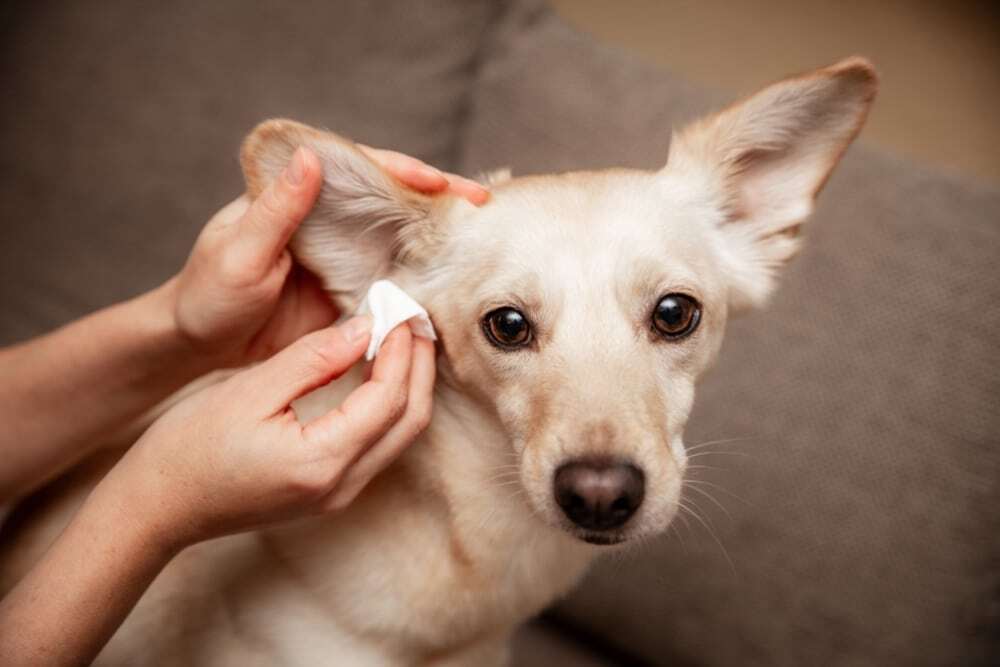
If your vet has given the go-ahead for routine cleaning, follow this gentle process:
- Use a calm, quiet environment. Offer treats for a positive experience. We’d recommend doing this outside or in a bathroom- it can get messy!
- Gently hold the ear flap upright and fill the ear canal with approved cleaner.
- Gently massage the base of the ear for 20 to 30 seconds. You know you have enough cleaner if you can hear the “squishing” noise.
- Let your pet shake their head to release debris.
- Wipe away loosened material using a cotton ball or soft pad.
- Never insert cotton swabs into the ear canal. You can use a swab to clean the nooks and crannies on the flap of the ear, but only use them on places you can see- not deep in the ear canal.
If your pet resists or seems uncomfortable, stop and call us for support. We can demonstrate the safest techniques during your next wellness visit.
The Problem With Over-the-Counter Cleaners
Not All Products Are Created Equal
Some ear cleaners contain harsh ingredients that can sting or damage already irritated ears. Avoid alcohol, hydrogen peroxide, vinegar, or anything not designed for veterinary use. Many “natural” cleansers have essential oils that can actually be toxic to pets. If your pet has a ruptured ear drum, unsafe cleaners can cause permanent ear damage and deafness.
Safe cleaners are typically pH-balanced and include gentle surfactants or drying agents that remove debris without causing harm. Your pet’s ear health depends on using the right formulation for their condition.
Veterinary-approved products are tested for effectiveness and safety in animals, unlike many retail options that may contain irritating or ineffective additives.
Why Vet Guidance on Cleaner Choice Matters
Choosing the right cleaner depends on whether your pet has allergies, infections, or ear canal damage. Our team selects products based on a full examination and, when needed, ear cytology to determine what’s causing symptoms.
This approach ensures treatment targets yeast, bacteria, or inflammation without causing more harm. We also check if the eardrum is intact before recommending any topical solution.
For advice on safe, effective ear care products, visit our clinic or ask during your next appointment. We only recommend what we would use on our own animals.
Water and Ears: Managing Risk After Swimming or Bathing
Moisture in the ears is one of the top risk factors for infection. After swimming, even clean water can remain trapped in the ear canal, creating the perfect breeding ground for bacteria.
If your dog swims often or loves the lake, take steps to minimize moisture. Start by removing water from ears as soon as possible. Towel-drying and using veterinary-approved drying solutions help lower the risk of ear infections. A habit as simple as flipping your dog’s ear up while they are napping to expose the canal to fresh air can make a big difference.
For dogs who are especially prone, we may recommend protective gear, earplugs, or scheduled cleanings after water exposure. Routine ear care becomes even more important during humid seasons or in pets with heavy ear flaps.
Why Veterinary Ear Exams Are Essential
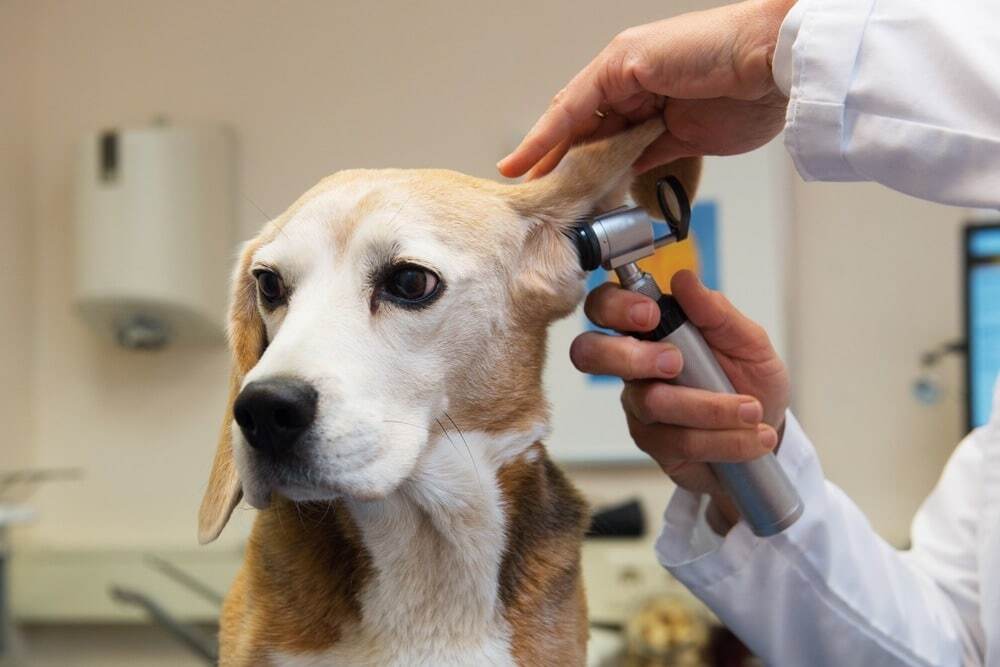
At-home checks are important, but they’re not a substitute for a professional ear evaluation. During your pet’s visit, we perform otoscopic exams that allow us to see deep into the canal and assess the eardrum. We also take samples for cytology when needed.
This process helps us identify problems long before symptoms become obvious. Routine vet checks also allow us to build a health history for your pet’s ears so we can detect subtle changes over time. If you find your pet needs their ears cleaned frequently, there is likely something else at play- allergies, a foreign object, ear polyps, or even endocrine issues like Cushing’s disease or Hypothyroidism. Treating these underlying conditions can improve your pet’s ear health, preventing infections and the need for long-term care.
To keep your pet’s ears healthy and comfortable, schedule wellness exams at least once a year, or more often if they have a history of ear issues.
You’re Not Alone in Ear Care
Ear care can feel overwhelming, especially when problems keep coming back. But with the right guidance, you can keep your pet comfortable and avoid chronic issues. Our team at Creature Comforts Veterinary Service partners with you every step of the way.
We’ll help you understand your pet’s unique needs, recommend the safest products, and demonstrate proper technique. Whether it’s part of your wellness plan or a response to concerning symptoms, we’re here for all your ear care questions.
Request an appointment or contact us today to learn how we can support your pet’s health from the ears down.





Leave A Comment