

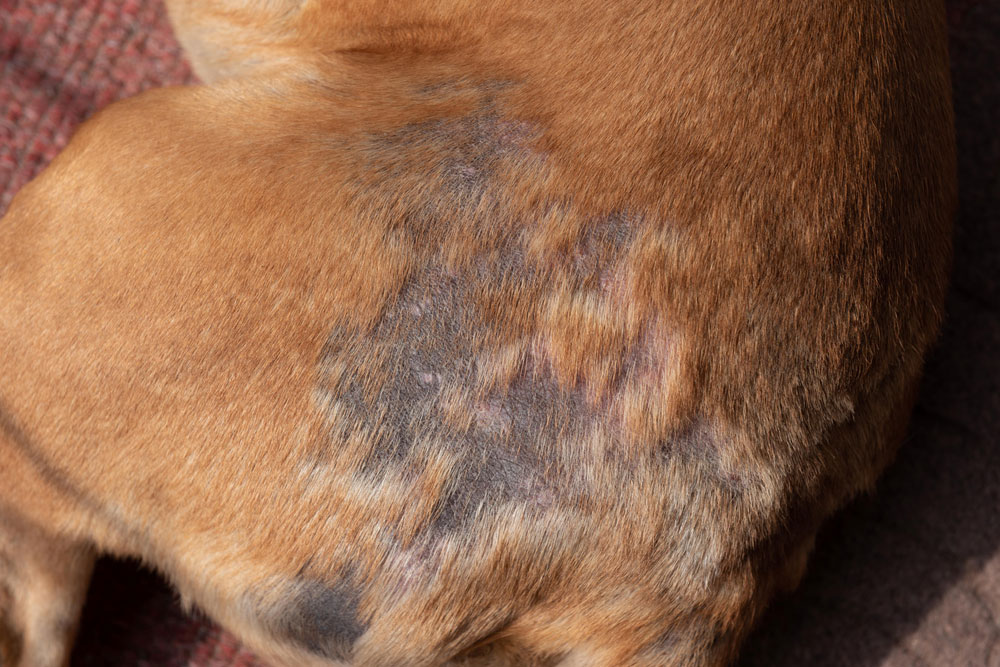
When Pets Start Losing Hair: What Alopecia Really Means
Hair loss in pets isn’t just a cosmetic concern- it’s often a sign of allergies, parasites, or hormonal imbalance. Identifying the cause through diagnostics allows for effective treatment and regrowth. Healthy skin is the foundation of a shiny coat and overall wellness.
At Creature Comforts Veterinary Service, our AAHA-accredited team provides comprehensive dermatologic exams and advanced diagnostic testing for small animals and exotics. Whether your pet needs routine care or urgent attention, we’re here to find answers and restore comfort.
What Is Alopecia and Why Does It Happen?
Alopecia is the medical term for partial or complete hair loss. While some seasonal shedding is normal, bald patches, persistent itching, or changes in skin texture deserve veterinary attention.
Hair loss can result from skin irritation, hormonal changes, parasites, or even stress. The key is understanding that alopecia is a symptom, not a disease itself. Only through proper diagnostics can your veterinarian identify the underlying cause and develop an effective treatment plan.
Why Pets Lose Their Hair: Common Causes
Hair loss has many potential triggers. Identifying the specific cause requires a thorough examination and often laboratory testing.
Allergies: The Leading Culprit Behind Itching and Bald Spots
Allergies are one of the most common reasons pets develop hair loss. Dogs and cats can react to environmental allergens like pollen and dust, food ingredients, or flea saliva. When allergens trigger inflammation, pets respond by scratching, chewing, or overgrooming the affected areas.
Allergy symptoms and treatment vary widely depending on the allergen. Dogs may develop hot spots, red skin, or hair loss around the paws and face. Cats often overgroom their bellies or legs until the fur thins or disappears completely.
Parasites and Skin Infections
Parasites such as fleas, mites, and ringworm cause patchy hair loss, scaly skin, and intense discomfort. Indoor pets are not immune to these issues, and diagnosis often requires skin scrapings, fungal cultures, or cytology.
Flea allergy dermatitis is particularly common. Even a single flea bite can trigger intense itching in sensitive pets. Flea allergy in cats causes hair loss along the spine, tail base, and hindquarters. Consistent prevention is critical, which is why year-round parasite prevention for pets is an important part of allergy management.
Mites burrow into the skin or live on the surface, causing inflammation and hair loss. Spotting and treating mites in dogs requires veterinary intervention, as over-the-counter treatments often fail to eliminate the infestation completely.
Ringworm, despite its name, is a fungal infection that creates circular bald patches with red, scaly borders. It’s contagious to other pets and humans, making prompt treatment essential. Other bacterial and fungal skin infections can also cause hair loss, skin inflammation, and itching. They are common for pets with allergies due to their damaged skin barriers. Skin cytology and culture is important for any pet with hair loss to find secondary skin infections.
Hormonal and Endocrine Disorders
When hair loss is symmetrical, non-itchy, and accompanied by other systemic signs, hormonal imbalances are often to blame. These conditions require blood work for accurate diagnosis.
Hypothyroidism is common in dogs and leads to thinning, brittle hair, darkened skin, and lethargy. Hypothyroidism in dogs develops when the thyroid gland produces insufficient hormones, slowing metabolism and affecting skin health.
Cushing’s disease occurs when the adrenal glands produce too much cortisol. Pets develop thinning skin, a pot-bellied appearance, increased thirst, and hair loss. Treating Cushing’s disease in dogs involves medication or surgery, depending on the underlying cause.
Sex hormone–related hair loss can occur in unneutered males with hormonal tumors. Testicular tumors in dogs may cause hair loss, feminization, and behavioral changes. Human hormonal treatments, like topical hormone replacement creams, can also cause hair loss in pets if you don’t wash your hands after application, your pet contacts the area of your skin you’ve treated, or if they lick the medicated area.
The importance of blood work for your dog becomes clear when diagnosing these conditions. Blood tests reveal thyroid levels, adrenal function, and other hormone imbalances that explain hair loss.
Genetic and Breed-Related Conditions
Some breeds inherit specific types of alopecia that veterinarians recognize by pattern and timing.
Color dilution alopecia in dogs affects breeds with dilute coat colors such as blue, fawn, or silver. Hair becomes brittle and breaks easily, creating patchy bald spots.
Canine flank alopecia is a seasonal condition that causes symmetrical hair loss along the flanks. It typically occurs in winter and resolves on its own, though some cases benefit from light therapy or melatonin supplementation.
Stress, Anxiety, and Overgrooming
Cats are particularly prone to stress-induced hair loss. Changes in routine, new pets, or environmental stressors can trigger excessive grooming. This condition, called psychogenic alopecia, creates hair loss on the belly, legs, or flanks without visible skin disease.
Understanding feline life stressors helps owners identify triggers and make adjustments. Environmental enrichment, play, pheromone diffusers, and routine consistency all reduce anxiety and discourage overgrooming.
Nutritional and Grooming Factors
Poor nutrition, harsh grooming products, or infrequent brushing can damage the coat and lead to hair loss. Balanced diets rich in essential fatty acids support skin health and coat quality.
Regular grooming removes dead hair, distributes natural oils, and allows for early detection of skin problems. Why pets need regular grooming extends beyond appearance- it’s a vital part of maintaining healthy skin and preventing infections.
How Veterinarians Diagnose the Cause of Hair Loss
Identifying the root cause of alopecia requires a thorough veterinary exam and targeted testing. Guessing at the problem wastes time and money while your pet continues to suffer.
During an exam, your veterinarian will evaluate the pattern, distribution, and appearance of hair loss. They’ll examine the skin for redness, scaling, or parasites and ask about your pet’s behavior, diet, and environment.
Common diagnostic tools include:
- Skin scraping or cytology to check for mites, bacteria, or yeast
- Fungal cultures to rule out ringworm
- Blood work to assess thyroid and adrenal function
- Allergy testing or dietary trials to identify triggers
At Creature Comforts, our diagnostic capabilities allow us to perform comprehensive testing in-house, providing faster answers and more efficient treatment plans.
Treatment Options for Hair Loss in Pets
Treatment depends entirely on the underlying cause. Once your veterinarian identifies the problem, they’ll develop a tailored plan to restore your pet’s comfort and coat health.
Allergies may require antihistamines, diet changes, medicated shampoos, or immunotherapy. Flea prevention is non-negotiable for pets with flea allergies.
Parasites are treated with prescription preventives, topical medications, or environmental cleaning to eliminate eggs and larvae.
Hormonal issues often require lifelong medication or surgery to manage gland dysfunction or remove tumors.
Infections respond to antifungal or antibiotic therapy, sometimes combined with medicated baths.
Stress-related overgrooming improves with behavior modification, pheromone diffusers, and environmental enrichment.
While traditional Western therapies remain the cornerstone of treatment, many families are also exploring alternative medicine as a way to complement their pet’s care- especially when conventional treatments cause side effects or don’t fully address chronic issues. Alternative therapies can be particularly helpful for conditions like allergies, arthritis, anxiety, and even skin problems related to inflammation or immune imbalance.
Traditional Chinese Veterinary Medicine (TCVM) blends herbal medicine, acupuncture, and nutritional therapy to restore balance within the body. TCVM practitioners focus on harmonizing energy flow, or Qi, which is believed to play a role in overall wellness. When combined with Western medicine, TCVM can help strengthen the body’s natural defenses, ease chronic discomfort, and promote healthier skin and coat regrowth.
Acupuncture is another gentle, effective option. By inserting fine needles along key points in the body, acupuncture can reduce pain and inflammation, stimulate appetite, improve endocrine function, and help control nausea or vomiting. Pets often find the experience relaxing- many even nap during their sessions! For pets with hair loss related to chronic stress or systemic illness, acupuncture may support circulation and follicle recovery.
Integrative veterinary medicine takes this approach one step further, combining traditional treatments with holistic options such as supplements, specialized diets, and alternative therapies. This well-rounded strategy allows veterinarians to address both symptoms and root causes- supporting the pet’s skin, immune system, and emotional health simultaneously.
Finally, cold laser therapy can help improve healing after skin infections, surgery, or injury. Using focused light energy, laser therapy reduces inflammation and speeds tissue repair. Pets with chronic itch or inflamed skin may benefit from this gentle, noninvasive treatment as part of a broader wellness plan.
Consistent follow-up ensures hair regrowth and prevents recurrence. If your pet’s condition worsens or new symptoms appear, our emergency team is available 24/7 to provide immediate care.
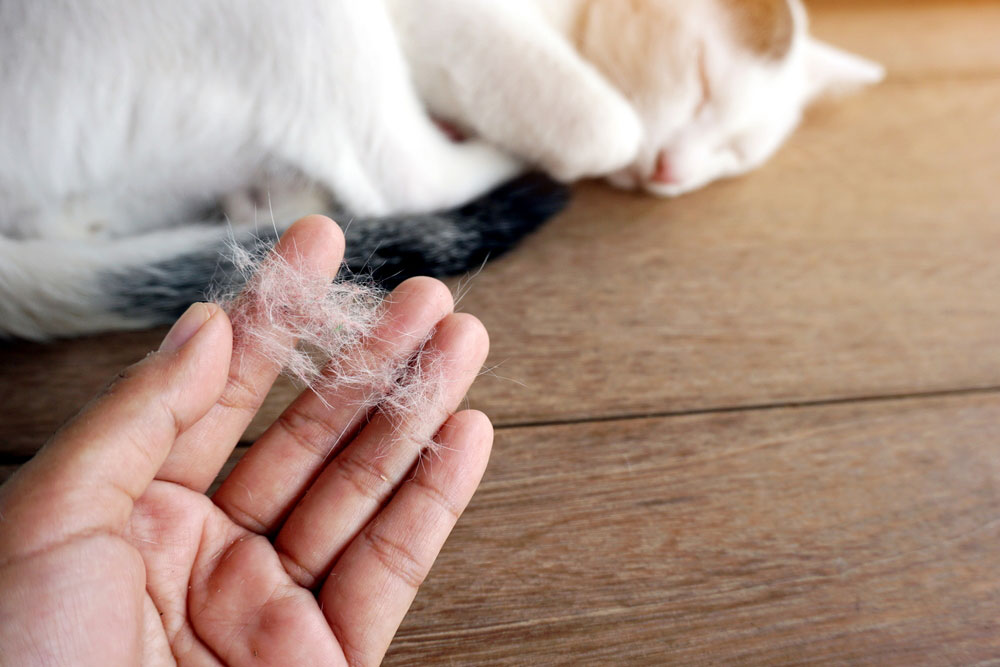
Restoring Your Pet’s Comfort and Confidence
Most cases of hair loss can be treated successfully once the cause is identified. With professional diagnostics, modern medicine, and integrative care options, pets regain healthy, shiny coats and relief from discomfort.
If you notice new bald spots, itching, or changes in fur texture, don’t wait. Early intervention leads to faster resolution and prevents complications.
Contact us or request an appointment today to schedule a dermatologic exam. At Creature Comforts Veterinary Service, we’re committed to finding answers and restoring your pet’s comfort.

Leave A Comment