

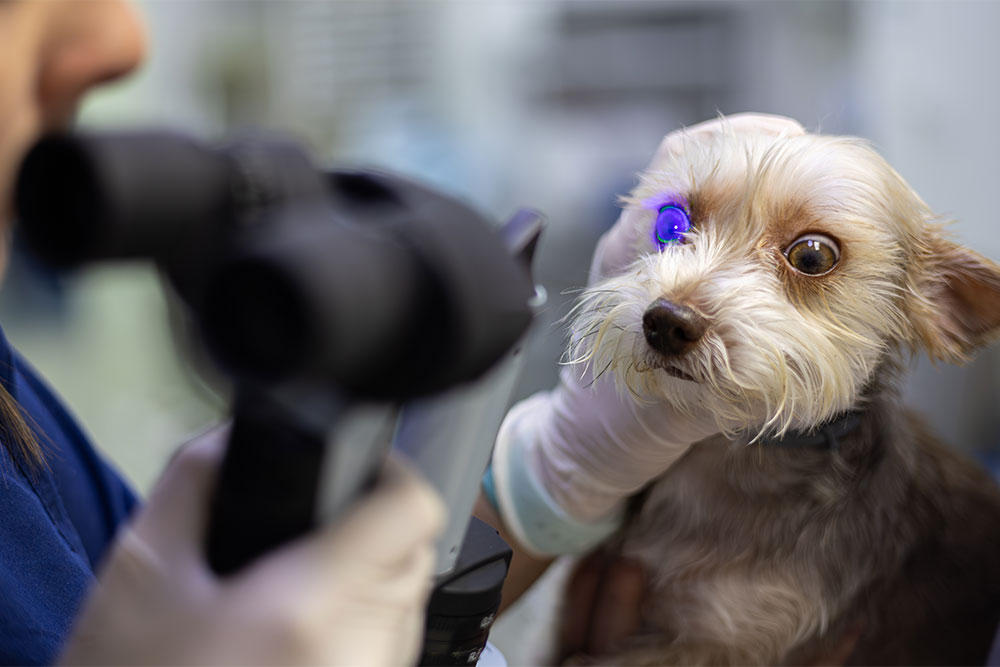
When Pet Eye Issues Turn Into Urgent Care Needs
A swollen eyelid, squinting, sudden discharge, or a film across the eye is enough to worry any pet parent. Eye issues often raise questions like, “Is this serious?” or “Do I need to go in right away?” At Creature Comforts Veterinary Service in Saylorsburg, PA, the answer is often yes. With problems ranging from scratches to infections, prompt care is critical to avoid lasting pain or vision loss.
Common Eye Problems in Pets
How to Recognize Eye Distress Symptoms
When your dog suddenly starts pawing at their face or your cat begins hiding in dark corners, these behaviors might signal eye pain that requires immediate attention. Pet eye problems don’t always announce themselves, so it is important to recognize subtle warning signs before they escalate.
Watch for:
- Squinting, excessive tearing, thick discharge, or cloudiness
- Changes in appearance of the eye
- Light sensitivity, bumping into objects, hiding, or irritability
These symptoms can develop quickly, sometimes within hours, so early detection is key to preserving vision and comfort. Conditions that seem minor can progress to permanent vision loss if untreated. What starts as irritation can become infection or corneal damage requiring extensive treatment.
Common Conditions in Dogs and Cats
Conjunctivitis in dogs and cats is among the most frequent issues we see. This inflammation of the tissue lining the eyelids causes redness and irritation and can result from allergies, bacteria, viruses, or foreign material. Because causes vary, professional diagnosis is essential. Bacterial cases need antibiotics, while allergic cases may require anti-inflammatories and environmental changes. Without proper care, conjunctivitis can become chronic or lead to complications.
Corneal ulcers are wounds on the eye’s clear surface caused by trauma, scratches, dry eye, or infection. They are painful and can worsen rapidly, potentially leading to rupture. Pets with ulcers often squint, tear excessively, and avoid bright light. Immediate veterinary attention is critical.
When the tear glands fail to create normal moisture, pets can develop keratoconjunctivitis sicca (KCS), also called dry eye. This condition is uncomfortable and often leads to squinting, redness, and thick eye discharge. Because the cornea relies on tears for protection, chronic dryness can eventually cause scarring and loss of vision. Lifelong treatment with tear-stimulating medications and supplements helps keep pets comfortable and prevents complications.
Breed-Specific Eye Issues
Certain breeds face higher risks due to genetics and conformation. Hereditary eye diseases in dogs affect breeds like Poodles (cataracts) and Collies (progressive retinal atrophy). Knowing your pet’s risk helps you monitor for early changes and pursue prevention.
Pannus in dogs particularly affects German Shepherds, Belgian Tervurens, and similar breeds. This autoimmune condition forms a pink, fleshy growth across the cornea that gradually impairs vision. While not curable, early diagnosis and consistent treatment can slow progression and preserve sight for years.
Cherry eye is another condition seen more often in certain breeds such as Bulldogs, Beagles, and Cocker Spaniels. It occurs when the tear gland in the third eyelid prolapses, appearing as a red, swollen lump in the corner of the eye. Surgery is typically recommended to correct the condition and preserve long-term tear production.
Entropion is an eyelid abnormality where the lid rolls inward, causing eyelashes to rub against the eye. This results in irritation, tearing, and often corneal damage. It is usually inherited and requires surgery for permanent correction.
Lens luxation: The lens dislocates from its normal position, often causing severe pain and secondary glaucoma. Terriers are predisposed. This condition typically requires immediate surgical intervention. Signs include sudden reluctance to move, marked light sensitivity, and obvious eye pain.
Cataracts and Age-Related Changes
Not all cloudy eyes are the same. The difference between cataracts and nuclear sclerosis is important for pet owners to understand. Nuclear sclerosis is a normal aging change that gives the lens a bluish haze without greatly affecting vision. Cataracts, by contrast, appear as white or opaque spots that block light and interfere with sight.
Cataracts may develop due to age, diabetes, injury, or inherited conditions. They can progress slowly or appear suddenly, particularly in diabetic dogs. Veterinary evaluation determines whether surgery is an option, and timely diagnosis gives pets the best chance to maintain vision.
Vision Concerns in Cats
Cats can also develop unique eye and vision problems that are different from those seen in dogs. Feline vision problems may be caused by retinal disease, inflammation, infections, or systemic conditions such as hypertension. High blood pressure in cats can lead to sudden retinal detachment and blindness. Because many feline eye diseases show only subtle signs early, regular veterinary care and blood pressure monitoring are critical, especially for senior cats.
Urgent Eye Care Needs
When to Seek Immediate Veterinary Care
Some eye problems are true emergencies. Ocular eye emergencies in dogs and cats include sudden blindness, severe trauma, foreign objects in the eye, extreme pain, and rapidly worsening redness or swelling. These can deteriorate quickly. Every hour matters to preserve vision and prevent permanent damage.
At Creature Comforts Veterinary Service, our 24/7 emergency care ensures urgent eye problems receive prompt attention whenever they occur. Eye emergencies don’t keep business hours; overnight delays can mean the difference between recovery and vision loss.
Preventing Permanent Damage
Prompt treatment is the cornerstone of good outcomes. Many threats to vision respond well when addressed early. However, the window for effective intervention is often measured in hours, especially for corneal ulcers or acute glaucoma. Consistent follow-up through ongoing veterinary care helps ensure healing stays on track and reduces recurrence of chronic issues. Many cases require weeks of treatment and regular monitoring.
Advanced Diagnostics and Treatment at Creature Comforts
Our Diagnostic Capabilities
Accurate diagnosis drives successful treatment. Our in-house diagnostics include specialized ophthalmic tools for close evaluation of the eye’s delicate structures, with immediate results to guide care. Measuring eye pressure and tear production helps detect glaucoma and dry eye early.
Surgical and Alternative Treatments
When medical therapy is not enough, surgery may be needed to preserve vision or relieve pain. Our surgery services range from foreign object removal to advanced procedures such as entropion surgery and, when necessary, emergency eye removal to prevent suffering.
Home Care and Prevention
Administering Eye Medications
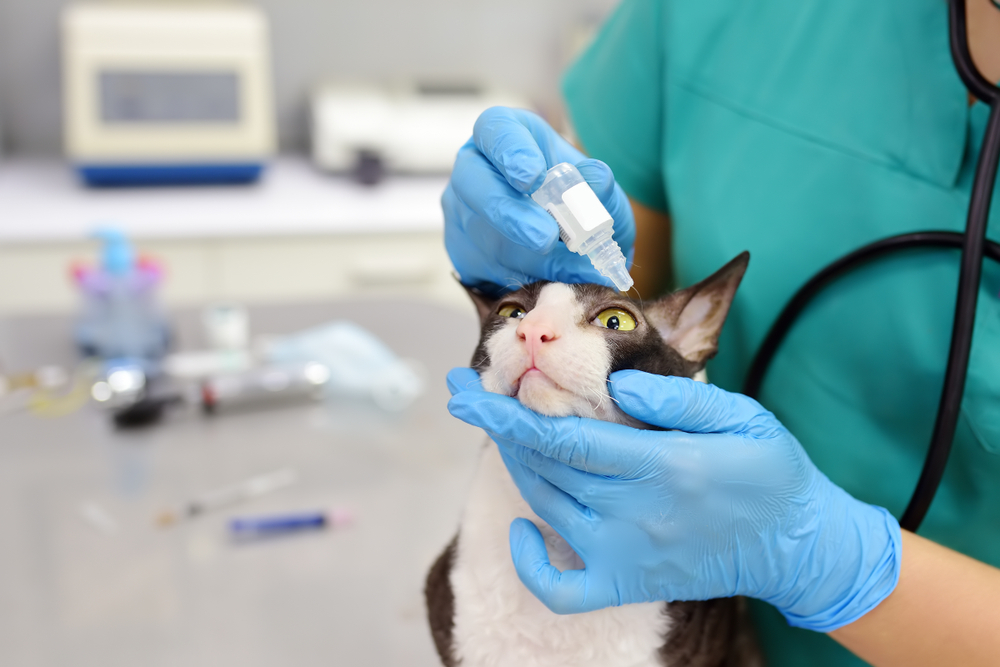
Successful treatment often depends on correct at-home medication. Proper technique makes a big difference. Use the guidance here on administering eye medications to keep doses effective and your pet comfortable.
Tips for smoother dosing:
- Create a calm, well-lit environment and have supplies ready
- Gently restrain with towels or a helper
- Approach with steady, confident movements; reward after each dose
Most pets adapt within a few days when owners are patient and consistent.
Preventative Measures
Regular wellness exams help catch problems before they become painful. Routine checks evaluate eye structures, tear production, and early signs of cataracts, glaucoma, or dry eye.
Minimize environmental hazards, especially for outdoor and active pets. Foxtails pose particular dangers for dogs. These barbed seeds can lodge in eyes, ears, and paws, causing infections and sometimes requiring surgery. After hikes or yard time, inspect your pet and remove plant material promptly.
Support and Resources
At Creature Comforts Veterinary Service, we know eye care extends beyond the exam room. Our team offers guidance on medications, home setup, and coping with difficult diagnoses. When questions arise or you need reassurance, contact us. We will connect you with compassionate, knowledgeable professionals ready to help.
Taking Action When Your Pet Needs Eye Care
Eye problems in pets demand swift, professional attention to prevent lasting damage and protect quality of life. If you notice discharge, squinting, cloudiness, or behavior suggesting eye pain, do not wait to see if it improves.
Our diagnostic capabilities and emergency services at Creature Comforts Veterinary Service ensure your pet receives expert care when eye problems arise. Whether you need immediate emergency treatment or same-day urgent evaluation, calling ahead helps our team prepare and reduces wait times.
Contact Creature Comforts Veterinary Service at your first concern about your pet’s eye health. Our experienced team stands ready to provide the prompt, compassionate care your pet deserves. Schedule an appointment today to ensure your pet’s eyes remain healthy and bright.

Leave A Comment