

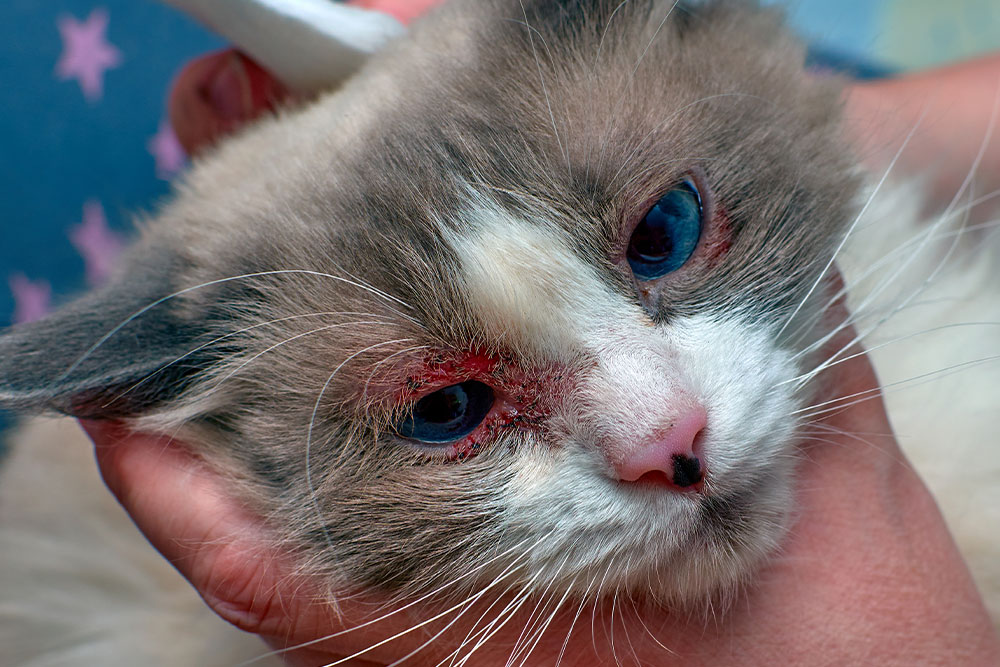
What Does an Allergic Reaction Look Like in a Pet? Hives, Anaphylaxis, and Everything Between
A bee sting at the edge of the yard, a new treat from the pet store, or even a routine vaccination can sometimes trigger an allergic reaction that catches you completely off guard. Some reactions show up as a patch of hives (raised, itchy welts on the skin) that look alarming but fade within hours, while others escalate to anaphylaxis, a rapid, whole-body emergency where your pet’s blood pressure drops, airways narrow, and every minute matters.
As an AAHA-accredited practice with 24/7 emergency care, Creature Comforts Veterinary Service is equipped to handle allergic reactions at any hour, whether your pet needs a same-day exam for persistent itching or emergency stabilization for a severe reaction. Call us at 570-992-0400 so our team can prepare for your arrival, or request an appointment if you’re noticing early signs and want to get ahead of the issue.
What Triggers Allergic Reactions in Dogs and Cats?
The immune system’s job is to protect your pet from genuine threats. Sometimes it miscalibrates and treats something harmless as dangerous, mounting a response that causes symptoms ranging from mild skin irritation to life-threatening collapse. The trigger itself is rarely the problem; the immune overreaction is.
Common allergen categories:
- Environmental allergens: pollen, mold, dust mites, and grasses; in the Pocono Mountains region, tree pollens peak in spring and ragweed surges in late summer, meaning seasonal flares are common
- Insect bites and stings: bee, wasp, and hornet stings are acute triggers; flea saliva is one of the most common causes of intense, chronic itching even in pets on prevention
- Food proteins: chicken, beef, dairy, and wheat are among the more frequent culprits; food allergies can develop at any age, even to ingredients eaten for years
- Medications and vaccines: most vaccine reactions are mild and brief, but occasionally more significant responses occur
- Contact allergens: certain cleaning products, lawn chemicals, and grooming products can trigger localized skin reactions
Exposure history, pattern of symptoms, and timing are all useful clues. Our diagnostics include allergy testing and evaluation tools to help identify what is driving your pet’s reactions so management can target the actual cause.
Vaccine and Medication Reactions: What to Watch For
Vaccination reactions are uncommon but worth understanding, because knowing the normal from the abnormal makes a real difference in how quickly you respond.
Normal post-vaccination responses (typically resolve within 24 to 48 hours):
- Mild lethargy or reduced appetite the day of vaccination
- Soreness or slight swelling at the injection site
- Low-grade fever
Signs that warrant a call or visit:
- Facial swelling, especially around the muzzle or eyes
- Hives appearing within an hour of vaccination
- Vomiting or diarrhea within a few hours post-vaccine
- Significant lethargy beyond 48 hours
Emergency signs requiring immediate care:
- Difficulty breathing or pale gums
- Collapse or extreme weakness
- Swelling that is spreading rapidly
If your pet has had a previous vaccine reaction, sharing that history with our team is essential for planning modified protocols that reduce risk while maintaining necessary protection. We individualize vaccination schedules based on your pet’s history, age, and lifestyle during wellness visits.
The Spectrum of Allergic Reactions: From Hives to Anaphylaxis
Not all allergic reactions look the same, and the type of reaction shapes how urgently you need to act.
Hives and Skin Reactions
Hives (urticaria) are raised, itchy welts on the skin that appear suddenly and can look alarming even when they are not dangerous. In dogs, you may notice bumps under the fur that cause intense scratching, or visible raised patches on the face, belly, or limbs. Cats develop hives less commonly but can show localized facial swelling or sudden, intense itching.
Hives are a localized immune response, uncomfortable and worth treating, but generally not life-threatening on their own. The concern is whether they are a standalone reaction or the early sign of something escalating.
Skin and contact reactions also include:
- Redness, rash, or itching on paws, belly, or ear flaps from contact with an allergen
- Hot spots (moist, painful areas of self-trauma from persistent licking and scratching)
- Secondary skin infections from disrupted skin barrier
- Chronic ear inflammation in allergic pets
Respiratory Allergies
Environmental allergens can cause sneezing, coughing, watery eyes, and nasal discharge. These tend to follow seasonal patterns and progress gradually rather than acutely. They are uncomfortable but generally not immediately dangerous.
Anaphylaxis: The Emergency End of the Spectrum
Anaphylaxis in dogs and anaphylaxis in cats represent the severe end of allergic response. This is a systemic reaction affecting multiple organ systems simultaneously, developing within minutes of exposure to the trigger.
Signs of anaphylaxis:
- Sudden weakness or collapse
- Pale, white, or gray gums
- Rapid or labored breathing
- Vomiting and diarrhea occurring together
- Cold extremities
- Swelling of the face or throat that progresses rapidly
Anaphylaxis can become fatal without immediate intervention. If your pet shows any of these signs, call us at 570-992-0400 while heading in. We are here around the clock and can prepare for your arrival.
Recognizing Warning Signs: When to Act and How Quickly
The goal here is practical: knowing which symptoms mean “watch and monitor,” which mean “call the clinic,” and which mean “drop everything and go.”
Monitor Closely at Home
- Mild itching or single-area scratching after known exposure
- One or two hives without other symptoms
- Slightly watery eyes or sneezing without respiratory distress
Call Us Promptly
- Allergy symptoms that are spreading or worsening over one to two hours
- Facial swelling, even if your pet seems otherwise fine
- Vomiting or diarrhea following a known exposure
- Hives covering multiple body areas
- Any symptom in a very young, very old, or already-compromised pet
Go Immediately (Call Ahead to 570-992-0400)
- Difficulty breathing or open-mouth breathing in cats, which is always abnormal and always urgent
- Collapse, extreme weakness, or inability to stand
- Pale, white, or bluish gums
- Rapid swelling of the face or throat
- Vomiting and diarrhea simultaneously alongside any other symptom
- Any suspected bee sting or bite in a pet with a known history of severe reactions
What to Do at Home While Getting to Us
Steps to take during a suspected allergic reaction:
- Remove the trigger if identifiable (move away from the bee, remove a food, move off a treated lawn)
- Rinse affected skin with cool water if there was direct contact with a product or plant; skip soaps unless directed
- Keep your pet calm and still: physical activity moves allergens through the body faster and raises heart rate, which can worsen circulation of the immune mediators driving the reaction
- Prevent self-trauma with an e-collar if your pet is scratching intensely; skin damage from scratching compounds the problem
- Document what you can: when symptoms started, what your pet was exposed to recently, how symptoms have changed, and photos of swelling or skin changes
- Call us at 570-992-0400 before administering any at-home treatments so we can advise based on your pet’s specific situation
Do not give human antihistamines without speaking to us first. Some are safe at specific doses, others are dangerous, and the right choice depends on your pet’s size, health, and what they are reacting to.
How We Treat Allergic Reactions
Treatment at Creature Comforts is matched to the severity of the reaction, which is part of why calling ahead helps us prepare.
For mild to moderate reactions (hives, facial swelling without breathing changes):
- Antihistamines to blunt the immune response
- Short-acting corticosteroids to reduce inflammation quickly
- Monitoring for progression
For moderate reactions with GI involvement:
- IV fluids if vomiting or diarrhea has caused fluid loss
- Antiemetics to control nausea
- Continued monitoring for escalation
For anaphylaxis:
- Epinephrine (adrenaline) is the first-line treatment and must be given rapidly
- IV fluids to support blood pressure
- Oxygen support if breathing is compromised
- Hospitalization and monitoring for biphasic reactions, where symptoms appear to resolve and then return hours later
Our diagnostics include in-house lab capabilities to assess organ function and overall stability during treatment. Being 24/7 is not just about hours; it is about having the full picture of what we need to provide real emergency care.
Preventing Future Reactions: Building a Long-Term Plan
Prevention requires knowing the trigger, which is not always straightforward. Allergy management is one of the areas where patience genuinely pays off.
General prevention strategies:
- Regular grooming: simple weekly rinses during high-pollen seasons reduce allergen accumulation on the coat, especially for outdoor dogs. DOUXO S3 CALM Shampoo and Mousse are great options for sensitive, reactive skin and DermAllay Oatmeal Shampoo and Spray Conditioner are great for gentle, moisturizing care.
- Flea allergy dermatitis: a single flea bite can trigger a significant reaction in sensitized pets; year-round parasite prevention is not optional for allergic animals
- Medication management: for chronic allergic skin disease, options include Apoquel (daily oral itch control), Zenrelia (a newer targeted option), Atopica (cyclosporine-based immune modulation), and immunotherapy for appropriate candidates
- Topical therapies: medicated shampoos, sprays, and spot-ons manage skin barrier disruption and reduce surface allergen load
- Emergency preparedness: for pets with known severe reactions to insect stings, having epinephrine available at home may be appropriate; discuss this with our team
Dietary and Environmental Management
When food allergy is suspected, elimination diet trials are the most reliable way to confirm or rule it out. The protocol is straightforward but requires real commitment:
- Choose a novel or hydrolyzed protein diet your pet has never eaten before
- Feed only that food, with absolutely nothing else, for 8 to 12 weeks
- Note whether symptoms improve during the trial
- Reintroduce the original diet; if symptoms return, food allergy is confirmed
Even single treats, flavored medications, or supplements can invalidate the trial. It is strict, but it is the only method that provides a reliable answer.
For environmental management in the Pocono Mountains region, pollen-heavy seasons are predictable. Wiping paws after outdoor time, regular bathing during peak pollen months, and HEPA air filtration indoors all reduce the allergen load allergic pets are exposed to daily.

Frequently Asked Questions About Pet Allergic Reactions
What’s the difference between hives and anaphylaxis?
Hives are raised, itchy welts on the skin, a localized reaction that is uncomfortable but generally not life-threatening. Anaphylaxis is a sudden, whole-body reaction affecting circulation and breathing that can become fatal within minutes without treatment. A pet can start with hives and progress toward anaphylaxis, which is why watching for escalation is critical.
When should I go to the emergency vet versus waiting for an appointment?
Go immediately if your pet is having trouble breathing, has pale or white gums, is collapsing, or has rapidly spreading facial or throat swelling. Call 570-992-0400 while on your way so we can prepare. For symptoms that are uncomfortable but stable, like mild hives or localized itching without any of the emergency signs, calling us to discuss next steps is appropriate.
Can I give my pet a human antihistamine?
Not without talking to us first. Some human antihistamines are safe for pets at specific doses; others are formulated with ingredients like decongestants that are dangerous. If your pet has a history of reactions and you want to discuss having an antihistamine on hand for emergencies, we can walk you through the appropriate options and dosing for your specific pet.
Can food allergies develop suddenly?
Yes. Food allergies are an immune response that develops over repeated exposures, meaning a pet can eat the same food for years before their immune system becomes sensitized. A sudden change in reaction to a long-standing diet is worth investigating.
Is flea prevention really necessary for an indoor pet?
For allergic pets specifically, yes. Flea allergy dermatitis can be triggered by a single bite from a single flea, and fleas enter homes on shoes, clothing, and visiting animals. Year-round prevention is not optional for a pet with known flea allergy.
Your Pet’s Safety Is Our Priority
Allergic reactions range from briefly uncomfortable to immediately life-threatening, and the difference between them can shift in minutes. At Creature Comforts Veterinary Service, we are here around the clock because emergencies do not keep office hours, and rapid treatment of anaphylaxis genuinely saves lives.
If your pet is showing any concerning signs, call us at 570-992-0400 right now so our team can help guide your next step. For ongoing allergy management, skin sensitivity, or a prevention plan, contact us or request an appointment and let us build a plan that keeps your pet as comfortable as possible.



Leave A Comment