

Understanding Pet Cancer: Early Signs and Modern Care
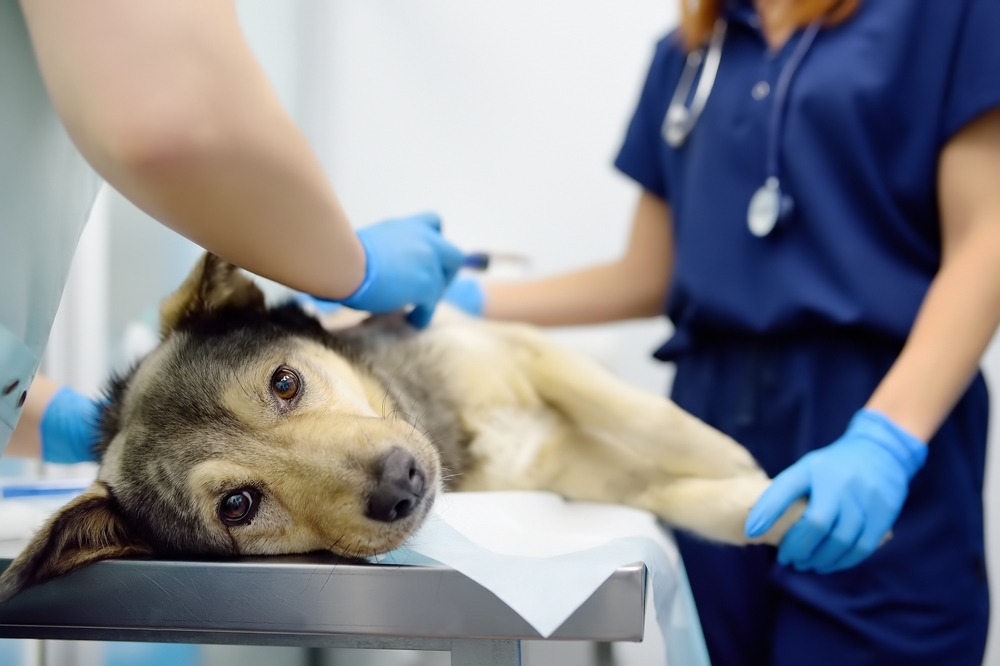
What do you do when you notice a new lump or a subtle change in your pet’s energy? That moment of worry can be overwhelming. Cancer affects pets of all breeds and ages, manifesting as everything from simple skin masses to complex internal growths. The most powerful tool we have against it is early detection- through regular veterinary exams, lab work, and imaging. Knowing the signs and acting quickly offers the best possible outcomes for your pet and gives you peace of mind.
At Creature Comforts Veterinary Service, our experienced team provides comprehensive cancer diagnostics and treatment planning supported by advanced imaging, laboratory analysis, and individualized care. From routine wellness and preventive care to specialized diagnostic services, we’re here 24/7 to help guide you through every step of your pet’s health journey with compassion and precision.
What Is Cancer in Pets?
Cancer in pets occurs when cells grow uncontrollably, forming tumors or spreading to other organs. As pets live longer thanks to better preventive care and nutrition, these diseases are diagnosed more frequently- but they can often be treated successfully with early intervention.
Routine wellness exams and regular screenings are the most effective ways to catch abnormalities early. Even small changes like a new lump or appetite shift can provide vital clues for timely diagnosis and treatment.
Common Types of Pet Cancer
Because cancer can affect nearly every system in the body, understanding the types of cancer that affect dogs and cats helps pet owners recognize what’s normal- and what isn’t. Every mass, even those that seem harmless, deserves evaluation through physical exam, imaging, and cytology. Our diagnostic team is equipped to assess each case quickly and thoroughly.
Lipomas
Benign fatty tumors called lipomas commonly appear in middle-aged and senior dogs. While most are harmless, their growth or texture can change, sometimes requiring removal or monitoring. Some masses can seem like a lipoma, but actually be much more serious. Our veterinarians can easily check and sample any lump during a brief exam to confirm its nature.
Mast Cell Tumors
Mast cell tumors are one of the most common skin cancers in dogs and can resemble benign lumps, making cytology or biopsy essential. Some forms are aggressive, so early testing significantly improves outcomes. We use fine needle aspiration and histopathology to determine the best next steps for treatment or surgery.
Mammary Tumors
Mammary tumors in dogs and mammary tumors in cats are common in unspayed females, though both species can be affected. Spaying before the first heat cycle drastically reduces risk, while early detection through exams allows for prompt removal and improved survival rates.
Lymphoma
Lymphoma affects the immune system and can appear in multiple organs, including lymph nodes, intestines, and kidneys. Symptoms such as weight loss, vomiting, or enlarged lymph nodes warrant immediate testing. Through laboratory evaluation and imaging, we can determine the extent of disease and guide families through treatment options.
Hemangiosarcoma
Aggressive and often silent, hemangiosarcoma affects the blood vessel walls, commonly in the spleen or heart. Signs like sudden weakness, collapse, or pale gums indicate an emergency. If your pet shows these symptoms, contact our emergency care team right away.
Osteosarcoma
Osteosarcoma is a bone cancer that primarily affects large and giant breed dogs, often starting with persistent lameness or limb swelling. X-rays and biopsy are critical for diagnosis, and early surgical intervention can improve quality of life and comfort.
Squamous Cell Carcinoma
Squamous cell carcinoma can appear in skin or oral tissues and may cause ulcers, bleeding, or difficulty eating. Because these cancers are locally invasive, early removal and ongoing oral exams are key to control.
Eye and Oral Tumors
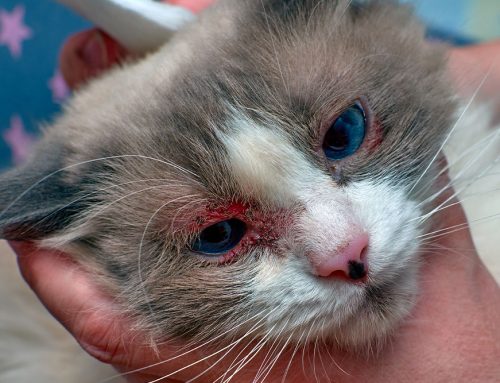
Cancers of the eye and eyelids may start off looking like a simple eye color change, or small lump on the eyelid margin. Early assessment is critical- a tiny eyelid tumor is easy to remove, but a large one may require reconstructive surgery or removal of the eye.
Oral tumors often go unnoticed until they interfere with eating. Look for facial swelling, drooling, or bad breath. Our surgical and dental teams collaborate to manage these delicate conditions with precision and compassion.
Recognizing the Signs of Cancer
Because early detection can save lives, knowing the signs of cancer helps you act quickly. Watch for:
- New or growing lumps
- Persistent sores that don’t heal
- Sudden weight loss or loss of appetite
- Lethargy, coughing, or difficulty breathing
- Unexplained bleeding, swelling, or bad breath
If any of these signs appear, schedule an evaluation right away through our appointment page.
How Veterinarians Diagnose Cancer
Accurate diagnosis requires a complete medical picture. We combine thorough exams with lab work, imaging, and tissue sampling to confirm cancer type and stage.
Cytology and Fine Needle Aspiration
Procedures like fine needle aspiration and cytology are quick, minimally invasive ways to evaluate cells. When necessary, a biopsy offers more detail, helping to differentiate benign from malignant growths. Learn more about our diagnostic capabilities for in-house testing and pathology support.
Imaging and Staging
Once cancer is confirmed, staging determines how far it has spread. Techniques like ultrasound imaging and X-rays provide vital insight into internal structures. Following oncology guidelines, we evaluate each case holistically to guide treatment choices and improve outcomes.
Treatment Options for Pet Cancer

Cancer care focuses on prolonging life while maintaining comfort and quality. Our veterinarians use an individualized approach- whether through surgery, medication, or palliative care- to ensure every pet receives optimal treatment.
Surgical Removal of Tumors
Surgery remains one of the most effective methods for treating localized cancers. Removing the entire mass with clean margins minimizes recurrence risk. Our surgery team employs advanced technology and pain control to provide the safest, most effective outcomes.
Chemotherapy for Pets
When cancer has spread or surgery isn’t enough, chemotherapy can help. We follow protocols that minimize side effects and protect pets and families, ensuring safe handling of chemotherapy medications. If cost is a concern, we offer guidance on chemotherapy cost and financing options to make treatment accessible.
Radiation Therapy
Radiation is often used to control residual cancer cells post-surgery or shrink tumors in sensitive locations. Through partnerships with nearby radiation facilities, we can coordinate care and ensure your pet receives seamless support from diagnosis through recovery.
Immunotherapy and Emerging Treatments
Modern immunotherapy helps the immune system recognize and target cancer cells. These cutting-edge treatments, available for select cases, can complement traditional approaches for improved long-term outcomes.
Supportive and Palliative Care
Comfort always comes first. With access to cancer care resources, families can explore palliative treatments like pain management, appetite stimulants, and nutritional support. Our veterinarians help you navigate each stage, prioritizing quality of life and compassion.
The Importance of Routine Screening
Routine physical exams and diagnostic testing are essential to detecting health changes early. Annual bloodwork, imaging, and lump checks during wellness exams allow our team to identify issues before symptoms arise, supporting long-term health and peace of mind.
Moving Forward with Confidence
A cancer diagnosis can feel devastating, but you’re not alone. With early intervention and today’s veterinary advancements, many pets continue to live joyful, comfortable lives.
At Creature Comforts Veterinary Service, we combine expertise, empathy, and 24/7 support to give every patient the care they deserve. Schedule a consultation or request an appointment today, or contact our team to discuss your pet’s next step toward healing and hope.






Leave A Comment